
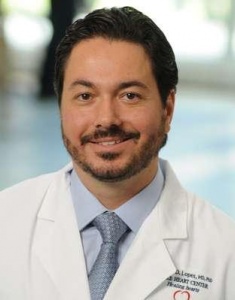
ACTION presented at the American College of Cardiology 2021 meeting by Renato D. Lopes, MD, PhD, demonstrated that among patients hospitalized with COVID-19 and elevated D-dimer levels, therapeutic anticoagulation with full-dose anticoagulant did not improve clinical outcomes and increased bleeding compared with prophylactic dose anticoagulation.
Venous and arterial thrombotic events have been reported among common complications of Coronavirus disease-2019 (COVID-19). The risk of these events remains high particularly among hospitalized patients with COVID-19 despite the administration of a standard dose of thromboprophylaxis agents. In addition, elevated biomarkers of thrombosis, such as D-dimer were associated with an increased risk of mortality and disease deterioration. Recent data suggested that a higher dose of an anticoagulant agent may be required. However, given that a higher dose is also associated with an increased risk of bleeding complications, the optimal treatment strategy for the prevention of thrombotic events among these patients remains unknown. The ACTION-Coalition (The AntiCoagulaTIon cOroNavirus, NCT04394377) trial aimed at comparing the efficacy and safety of therapeutic versus prophylactic anticoagulation with rivaroxaban/enoxaparin in preventing thrombotic complications in patients hospitalized with COVID-19 and elevated D-dimer levels.
Dr. Lopes and his colleagues conducted a multicenter, open-label, randomized trial in hospitalized patients with a confirmed diagnosis of COVID-19. Eligibility criteria included symptoms up to 14 days and elevated serum level of D-dimer. Patients with a very high risk of bleeding, eCrCl <30 ml/min, platelet count lower than 50,000/mm3, concurrent use of P2Y12 inhibitor or aspirin >100 mg daily were excluded from the study. Patients were assigned to receive either standard of care with in-hospital prophylactic dose anticoagulation or in-hospital therapeutic dose anticoagulation for 30 days (with rivaroxaban 20 mg once daily or full-dose heparin in unstable patients). Primary efficacy outcomes included a composite of hierarchical analysis of mortality, duration of hospitalization, and duration of oxygen use through 30 days. Safety outcomes of interest were major or clinically relevant non-major bleeding according to ISTH criteria. The intention-to-treat strategy was applied for the primary analysis. The Win Ratio method defined by the total number of wins divided by the total number of losses between the two study groups within each stratum (stable/unstable at screening), was used to analyze the data. Win ratio larger than 1 would reflect a better clinical outcome.
Among 615 patients included in the study, a total of 311 randomized to therapeutic strategy and a total of 304 patients randomized to prophylactic anticoagulation. Compared with the prophylactic strategy, the full-dose therapeutic strategy was not associated with a better clinical outcome with regard to primary efficacy (Win Ratio (WR): 0.86, 95% Confidence Interval (CI): [0.59-1.22]). In addition, the therapeutic dose of anticoagulation was associated with a slight increase in 30-day mortality. However, it did not reach the border of statistical and clinical significance (Relative ratio (RR): 1.49, 95% Confidence Interval (CI): [0.90-2.46]). With regard to safety outcomes, treatment with full-dose anticoagulant was associated with an elevated risk of ISTH major bleeding or clinically relevant non-major bleeding (8.4% versus 2.3%; RR: 3.64, 95%CI: [1.61–8.27].
When CardiologyNowNews questioned Dr. Renato D. Lopes, Professor of Medicine at Duke University School of Medicine and a member of Duke Clinical Research Institute, about the impact of this trial on patients and health systems, he replied, “Our findings shed some light on the management of COVID-19 patients where several questions about the role of anticoagulation in this clinical setting still remain unanswered. Our results will help physicians and hospital policies around the use of direct oral anticoagulants (DOACs) for COVID-19 patients.”
Finally, among hospitalized covid-19 patients with elevated D-dimer levels, initial in-hospital therapeutic anticoagulation with rivaroxaban 20 mg once daily for stable patients or enoxaparin for unstable patients followed by rivaroxaban through 30 days did not improve clinical outcomes and increased bleeding compared with in-hospital prophylactic anticoagulation. Dr. Lopes also believes another topic for investigation is the role of DOACs in patients not hospitalized with COVID-19.