
In a recent study published in the New England Journal of Medicine, it was found that endovascular thrombectomy for ischemic stroke that is performed 6 to 16 hours after the onset of symptoms resulted in better functional outcomes than standard medical therapy alone among patients with a proximal middle cerebral artery or internal carotid artery occlusion.
The current evidence shows that endovascular treatment is only of benefit if it is done within 7-8 hours of the onset of symptoms. The trial only included patients with a salvageable tissue on perfusion imaging. According to Dr. Gregory Albers, the principal investigator and the director of Stanford Stroke Center “Prior to DAWN and DEFUSE 3, there was no evidence of any treatment benefit beyond 6 hours from symptoms onset.”
“The key to the success of these trials was the use of RAPID software to identify patients with salvageable tissue”, he added.
Before its termination for efficacy, the study enrolled 182 patients who were randomized either to endovascular treatment in addition to medical treatment or medical treatment alone. The endovascular treatment group had a better-modified ranking score and lower mortality at 90 days. There was no significant difference in the rate of symptomatic intracranial hemorrhage or serious adverse effects.
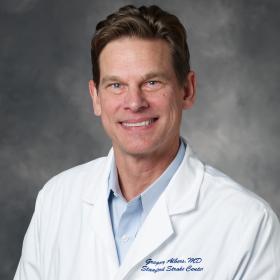 [perfectpullquote align=”full” bordertop=”false” cite=”” link=”” color=”” class=”” size=””] “These finding will have a dramatic impact on practice. One-third of strokes occur during sleep. These were previously untreatable — now they are potentially treatable. Patients who live far away from a stroke center now have the potential for highly effective therapy” -Dr. Gregory Albers [/perfectpullquote]
Dr. Albers comments that the study is important because “It showed the highest odds ratios ever reported for a thrombectomy trial and a number needed to treat to reduce disability of 2. Therefore, the consensus of the evidence is exceptionally strong and this is reflected in the Level 1A guideline”.
When asked about the implication of this study on his clinical practice, Dr. Albers said “These finding will have a dramatic impact on practice. One-third of strokes occur during sleep. These were previously untreatable — now they are potentially treatable. Patients who live far away from a stroke center now have the potential for highly effective therapy”.