Findings of an ongoing REMEDIAL (REnal Insufficiency Following Contrast MEDIA Administration triaL) III trial have been published recently in Catheter Cardiovasc Interventions and were presented by Dr. Carlo Briguori from Naples, Italy at the TCT-2019 in San Francisco. The study showed that urine flow rate (UFR) guided hydration is superior to left ventricular end‐diastolic pressure (LVEDP)-guided hydration for preventing contrast-induced acute kidney injury (CIAKI) and/or acute pulmonary edema.
Hydration is the basis for CIAKI prevention and the REMEDIAL-III trial was aimed to test whether the UFR guided hydration regimen is superior to LVEDP guided for prevention of CIAKI in patients undergoing interventional cardiovascular procedures and to assess the complication of hydration (acute pulmonary edema). REMEDIAL-III trial is a randomized, interventional, double-blinded trial where the patients were randomized in parallel 1:1 to either LVEDP guided or UFR guided hydration regimen. The inclusion criteria involved all patients at high risk for CIAKI that included patients with chronic kidney disease (CKD) with an eGFR < 45 ml/min/1.73 m2 and/or those with Mehran’s score > 11 and/or Gum’s score > 7. The excluded patients were < 18 years of age, pregnant, and those with acute pulmonary edema, acute myocardial infarction, end-stage CKD on dialysis, or multiple myeloma. The estimated enrolled patients are around 700. UFR-guided hydration was carried out by RenalGuard system.
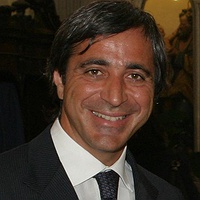
[perfectpullquote align=”full” bordertop=”false” cite=”” link=”” color=”” class=”” size=””] “Hydration is the cornerstone in improving/preventing AKI and what we learned from the last few years is, we need to tailor hydration regimen in order to prevent AKI but also acute pulmonary edema. What we found was that the primary endpoint, CIAKI, was seen in 10.3% in LVEDP while it was 5.7% in UFR guided hydration therapy. Also, we have found that after 1 month of follow-up, the deterioration of kidney function of patients on dialysis was 10% in LVEDP vs. 5% in UFR guided hydration therapy. That means we prevent further deterioration of kidney function in these patients.” –Dr. Carlo Briguori, MBBS, FACC[/perfectpullquote]
The investigators noted that the primary endpoint, CIAKI for UFR guided vs. LVEDP guided hydration therapy was 5.6% vs. 10.3% (p = 0.036). The number needed to treat to prevent one event was 22. Also, pulmonary edema occurred in only one patient with UFR guided vs. seven patients in the LVEDP hydration regimen. The difference was not statistically significant, but there was a strong trend in favor of UFR guided regimen.
In response to a question from Dr. Gibson, Dr. Briguori stated, “We see LVEDP at the start, through the procedure and 4 hours after the procedure, something may change due to hemodynamic change. In my view, it should be done ideally through the procedure and not at the beginning of the procedure.”
When asked about the impact on clinical practice, Dr. Briguori adds, “As RenalGuard takes at least 1 hour to set up, so I would use UFR guided hydration on board in elective patients or non-emergent patients instead of LVEDP guided one in order to prevent CIAKI and pulmonary edema. Also, we have found that after one month of follow-up, the deterioration of kidney function of patients on dialysis was 10% in LVEDP vs. 5% in UFR guided hydration therapy. That means, we prevent further deterioration of kidney function in these patients.”
To watch the complete interview of Dr. Briguori and Dr. Gibson, click here.