
Key Points:
- Finerenone is a nonsteroidal mineralocorticoid antagonist that has been shown to decrease adverse cardiovascular outcomes in patients with advanced diabetic kidney disease (DKD).
- FIGARO-DKD is a randomized, placebo-controlled trial assessing the cardiovascular effects of finerenone on patients with mild to moderate DKD.
- Finerenone was associated with fewer cardiovascular events, including a 30% decrease in heart failure hospitalization, as well as less progression to advanced CKD.
Worldwide, diabetic kidney disease (DKD) is seen in 40% of patients with Diabetes. DKD is associated with poor renal and cardiovascular outcomes, leading many to die before kidney transplant could be considered. The FIDELIO-DKD trial (DOI: 10.1056/NEJMoa2025845) previously demonstrated that patients with advanced kidney disease and Type 2 Diabetes who were randomized to take finerenone, a nonsteroidal mineralocorticoid antagonist, had less progression of their CKD and fewer major adverse cardiovascular events when compared to placebo.
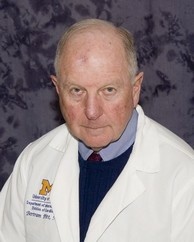
The FIAGRO-DKD trial sought to expand upon the indication of finerenone, testing the drug’s efficacy in diabetic patients with mild to moderate kidney disease. The findings of the trial were presented by Dr. Bertram Pitt at the European Society of Cardiology 2021 Congress, during a Hot Line Session. The study enrolled a population with Diabetes and mild to moderate kidney disease, who were already treated with optimized renin-angiotensin-aldosterone system (RAAS) blockade. The major exclusion criteria were hyperkalemia and Heart Failure with reduced Ejection Fraction (HFrEF), as mineralocorticoid antagonists are Class I indications for treatment already.
In this multicenter, international, randomized control trial, 7437 patients in 48 countries were randomized in a 1:1 fashion to receive either finerenone (10 mg or 20 mg) daily or placebo daily. This was preceded by a run-in period, during which participants’ RAAS-inhibitors were titrated to their maximal tolerated doses. The primary endpoint was a cardiovascular composite of time to cardiovascular death, nonfatal myocardial infarction, nonfatal stroke or hospitalization for heart failure. The average age of participants was 64 years old, and 69.4% were men. After a median follow up of 3.4 years, the primary outcome occurred in 12.4% of the finerenone group and 14.2% of the placebo group, for a relative risk reduction of 13% (hazard ratio [HR] 0.87; 95% confidence interval [CI] 0.76–0.98; p=0.03). Notably, the risk reduction was driven mostly by a 29% decrease in heart failure hospitalization events.
The secondary outcomes for kidney disease advancement were two-fold: for the outcome of composite kidney failure, sustained decrease in estimated glomerular filtration rate (eGFR) by 40% or more from baseline, or renal death, there was no significant difference between finerenone (9.5%) and placebo (10.8%), HR 0.87; 95% CI 0.76–1.01; p=0.07; the more robust outcome of composite kidney failure, sustained decrease in estimated GFR by more than 57%,or renal death, however, finerenone was associated with significantly fewer events (2.9% vs 3.8%, HR 0.77; 95% CI 0.60–0.99).
As expected, hyperkalemia was seen more often in the finerenone group, but results in a discontinuation of the drug in only 1.2% of participants.
“Over the spectrum of kidney disease and diabetes, finerenone really protects both the kidneys and the heart, especially when this study is taken in conjunction with FIDELIO-DKD,” said Dr. Pitt in regard to the trial results, “It is important for us Cardiologists to screen diabetic patients for microalbuminuria as we can play a pivotal role in preventing the progression of kidney disease and heart failure in such patients.”
When these results are taken in conjunction with those of yesterday’s EMPEROR PRESERVED trial, it appears that the Cardiologist caring for Diabetic patients is now equipped with an arsenal of quality medications proven to improve outcomes.
The trial results were published simultaneously in the New England Journal of Medicine.