

Reported muscle pain and weakness often not due to statin therapy: meta-analysis shows.
Key Points Statin therapy is in wide use globally to prevent cardiovascular events in patients with elevated cholesterol levels. Despite an abundance of data proving... Read more.

Radial cath associated with fewer deaths and bleeding: RTC study
Key Points Transradial access has emerged as the preferred initial access method for coronary angiography, largely due to evidence supporting its association with... Read more.

Sacubitril/Valsartan “wins” against ramipril in post-hoc analysis of PARADISE-MI
Key Points The PARADISE-MI trial randomized patients to receive sacubitril/valsartan or ramipril after high-risk myocardial infarction. The initial results demonstrated... Read more.

PANTHER analysis suggests P2Y12 inhibitors safer, more effective than Aspirin, for secondary prevention
Key Points Antiplatelet therapy is a cornerstone of secondary prevention in patients with known CAD, but it is incompletely understood whether aspirin should be... Read more.

Full-dose anticoagulation prevents thrombotic events in COVID patients: COVID-PACT
Key Points Given the increased thrombotic risk in COVID patients, there has been substantial interest around the potential use of antithrombotic agents in the treatment... Read more.
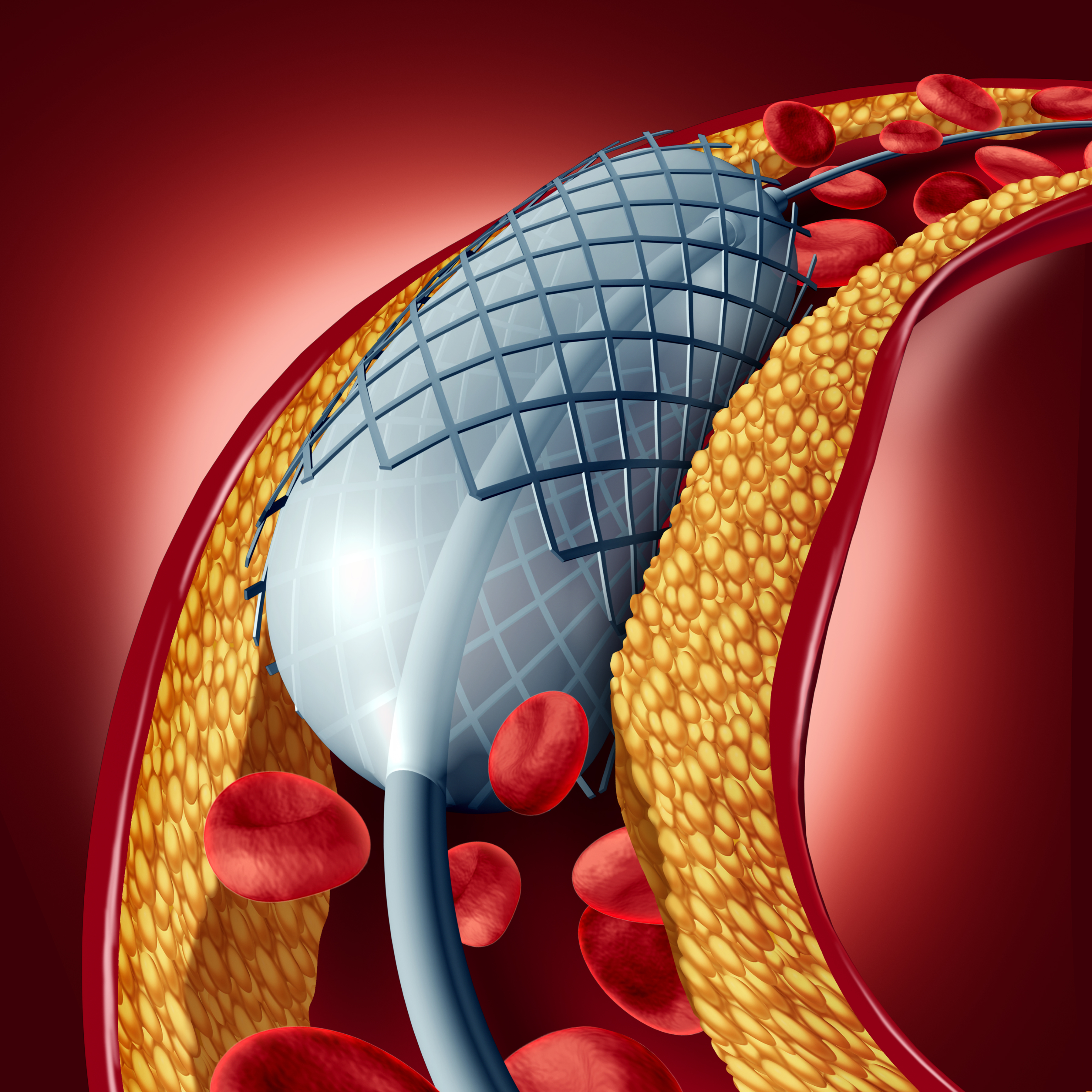
Abbreviated DAPT continues to prevail beyond one year: MASTER-DAPT subanalysis shows
Key Points: In this pre-specified MASTER DAPT sub-study, patients with high bleeding risk and high ischemic risk who were treated with PCI with an Ultimaster stent... Read more.
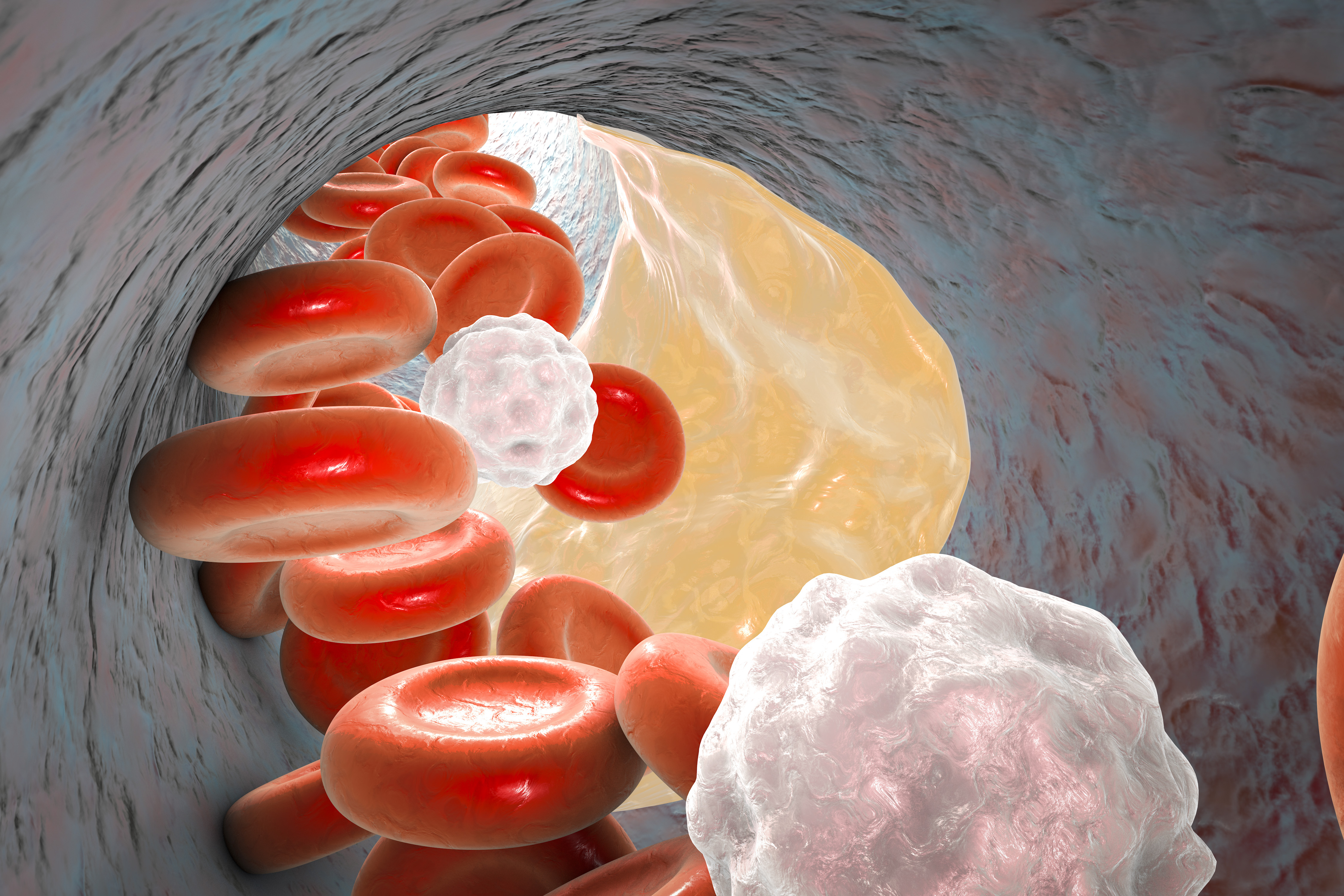
Coronary Artery Plaque Activity Predicts Recurrent Cardiac Events: results from the PRE-18FFR Trial
Key Points Understanding the future risk of myocardial infarction and death for patients with established coronary artery disease is a cornerstone of modern cardiology.... Read more.

When and How Much Should We lower LDL and Systolic Blood Pressure in Our Patients? Artificial Intelligence and Causal Effects May Provide Answers
Key Points: • Current risk estimating algorithms exclude causal effects and therefore do not accurately estimate baseline cardiovascular risk caused by LDL and... Read more.

It’s Time to Randomize: Smartphone-Based Screening for Atrial Fibrillation – The Siteless, Digital, Randomized eBRAVE-AF Trial
Key Points Wearable technologies based on photoplethysmographic measurements of irregular pulses can be ubiquitously distributed to perform opportunistic longitudinal... Read more.
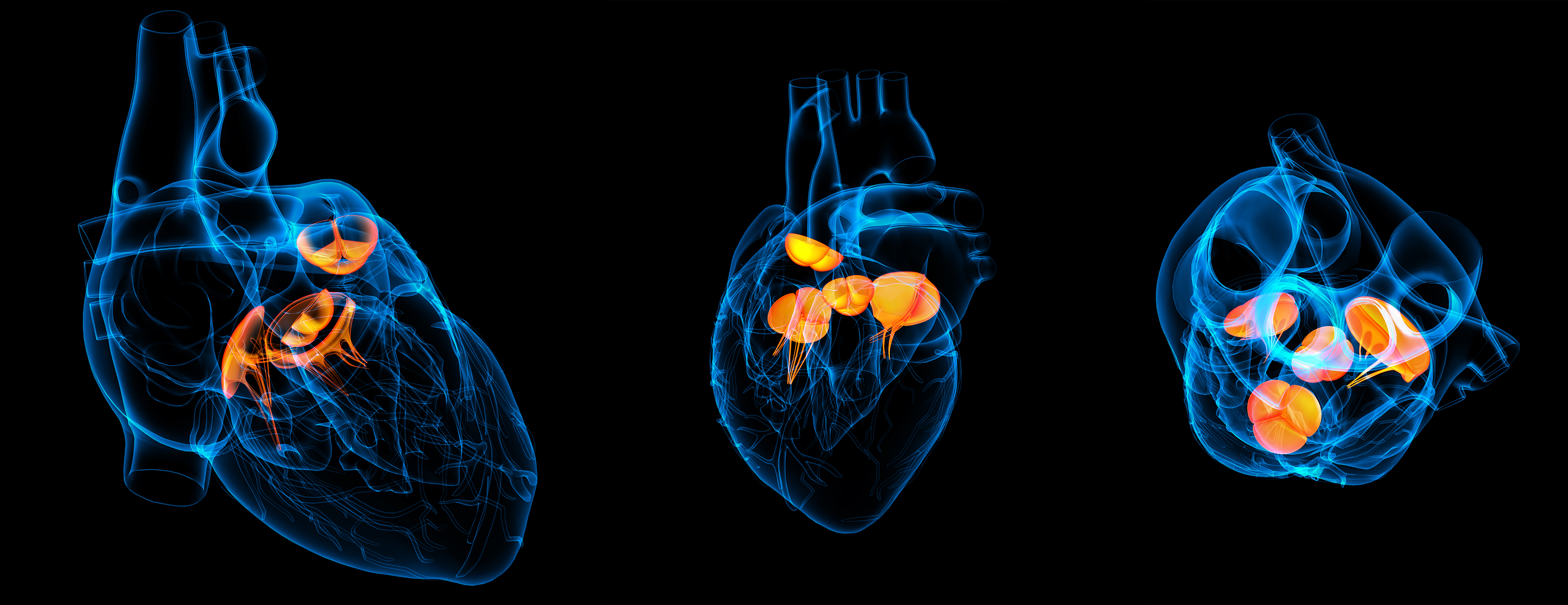
Artificial Intelligence can improve detection of severe aortic stenosis from echocardiograms: AI-ENHANCED AS shows.
Key Points Aortic stenosis, despite being life-threatening, is often underdiagnosed. It is understood that when the disease is diagnosed, it does remain undertreated... Read more.