

ESC at a Glance: The Trials Were Largely Negative, The Science Was Positive
The Canadian SCAD Study The Canadian SCAD study investigated the risk factors and outcomes of spontaneous coronary artery dissection (SCAD). This prospective observational... Read more.
Cancelled Cath Lab Activation Based on Prehospital EKG, A Single Center Study
A new single-center study has shown that the catheterization laboratory (CCL) activation in response to a prehospital ECG interpreted as ST-segment elevation myocardial... Read more.

Greater Cholesterol Variability Is a Predictor for Atheroma Progression
“The variation in cholesterol levels is associated with an increase in the percentage of atheroma volume and worse clinical outcomes,” says a new meta-analysis... Read more.

The Use of Supplemental Oxygen in Suspected Acute MI is of no Benefit
The use of supplemental oxygen in normoxemic patients with suspected acute myocardial infarction is of no clinical benefit, says a new article in the British Medical... Read more.

Does Operator PCI Volume Influence Mortality?
The number of procedures performed by the operator of a Percutaneous Coronary Intervention (PCI) in the previous year has no impact on the 30-day mortality, according... Read more.
Should Patients with Acute Chest Pain Undergo Noninvasive Testing After the Clinical Diagnosis is Made?
The use of noninvasive cardiac tests such as coronary computed tomographic angiography (CCTA) or stress testing for patients presenting to the emergency department... Read more.
Using High Sensitivity Troponin T in Ruling Out Acute Coronary Syndrome
High sensitivity troponin T (hsTnT) can be a reliable tool for excluding acute coronary syndrome (ACS) in very low-risk patients, according to a recent study published... Read more.
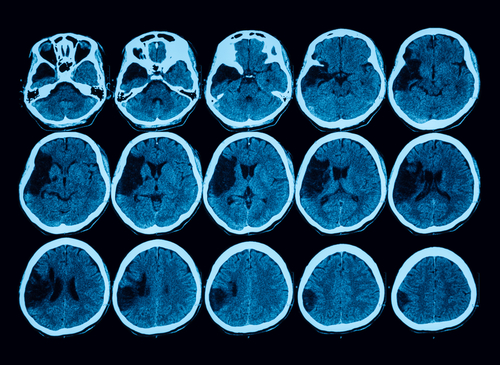
Thrombectomy Done Beyond 6 Hours has a Favorable Prognosis in Stroke Patients
In a recent study published in the New England Journal of Medicine, it was found that endovascular thrombectomy for ischemic stroke that is performed 6 to 16 hours... Read more.

D-dimer Level is Associated With Increased Long-term Cancer Incidence and All-cause Mortality
According to a recently published article in Circulation, it was found that D-dimer level is an independent predictor of the long-term (up to 16 years) risk of arterial... Read more.