

EHR-Derived Risk Estimates for Clinicians Do Not Change Heart Failure Patient Outcomes – The REVeAL-HF Trial
Key Points: Previously, the impact of risk prediction on clinical decision-making and outcomes in heart failure had not been tested in a randomized control trial The REVeAL-HF trial showed that…


Coffee-drinkers rejoice: caffeine consumption not associated with atrial arrhythmias (in young, healthy patients): CRAVE shows
Key Points: Conventional medical wisdom warns against excessive coffee and/or caffeine consumption due to the perceived risk of arrhythmia. Most evidence against coffee consumption is derived from observational data. CRAVE…

Multifaceted Interventions Delivered by Rural Physicians Significantly Reduce Hypertension Rates in Rural China: CRHCP
Key Points Rural areas represent particularly vulnerable areas for the control of cardiovascular disease, due to the lack of data to identify at-risk populations and the logistical challenges associated with…

Remotely-delivered algorithmic care pathways reduce key cardiovascular risk factors.
Key Points The rates of control of key cardiovascular conditions like hypertension and hyperlipidemia remain low (~50%) across the US, even if these conditions could be easily addressed through generic,…
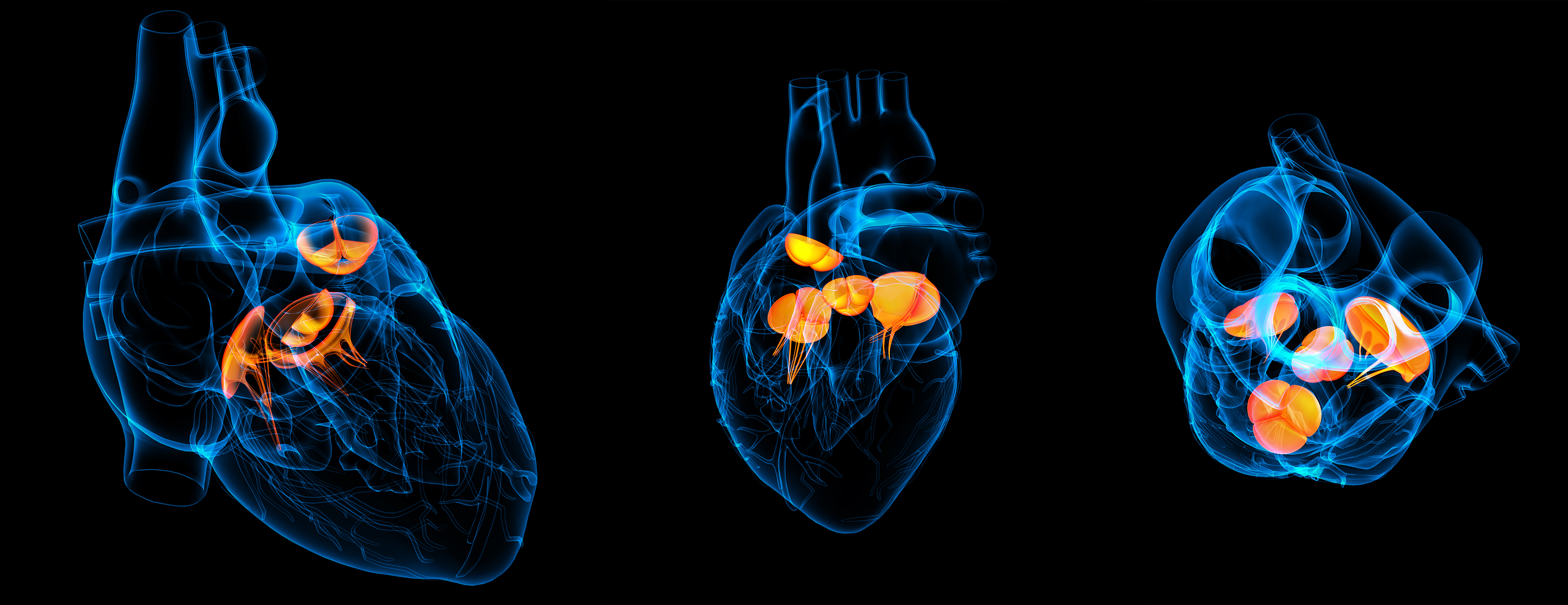
Aortic Valve Replacement can be considered in asymptomatic patients with severe aortic stenosis: AVATAR finds.
Key Points Severe aortic stenosis is associated with high mortality once patients become symptomatic. There is equipoise, however, as to whether patients with severe aortic stenosis need to be treated…

Earlier CABG after Ticagrelor administration found to be safe: RAPID CABG Trial
Key Points Current US Guidelines recommend a 5- day waiting period for non-urgent CABG after cessation of ticagrelor to prevent high bleeding rates; European guidelines recommend 3 days. In the…
Intrepid Transseptal TMVR: No Mitral Regurgitation at 30 days
Key Points Many patients with severe mitral valve regurgitation are not candidates for surgical valve replacement or transcatheter edge to edge repair due to anatomical limitations. Transcatheter mitral valve replacement…
Transcatheter Tricuspid Valve shows sustained improvement in Triscuspid Regurgitation at 6 months: TRISCEND
Key Points Transcatheter Tricuspid Valve Replacement with the EVOQUE valve is being studied in the TRISCEND study Patients with symptomatic, moderate to severe tricuspid regurgitation were evaluated for the TRISCEND…
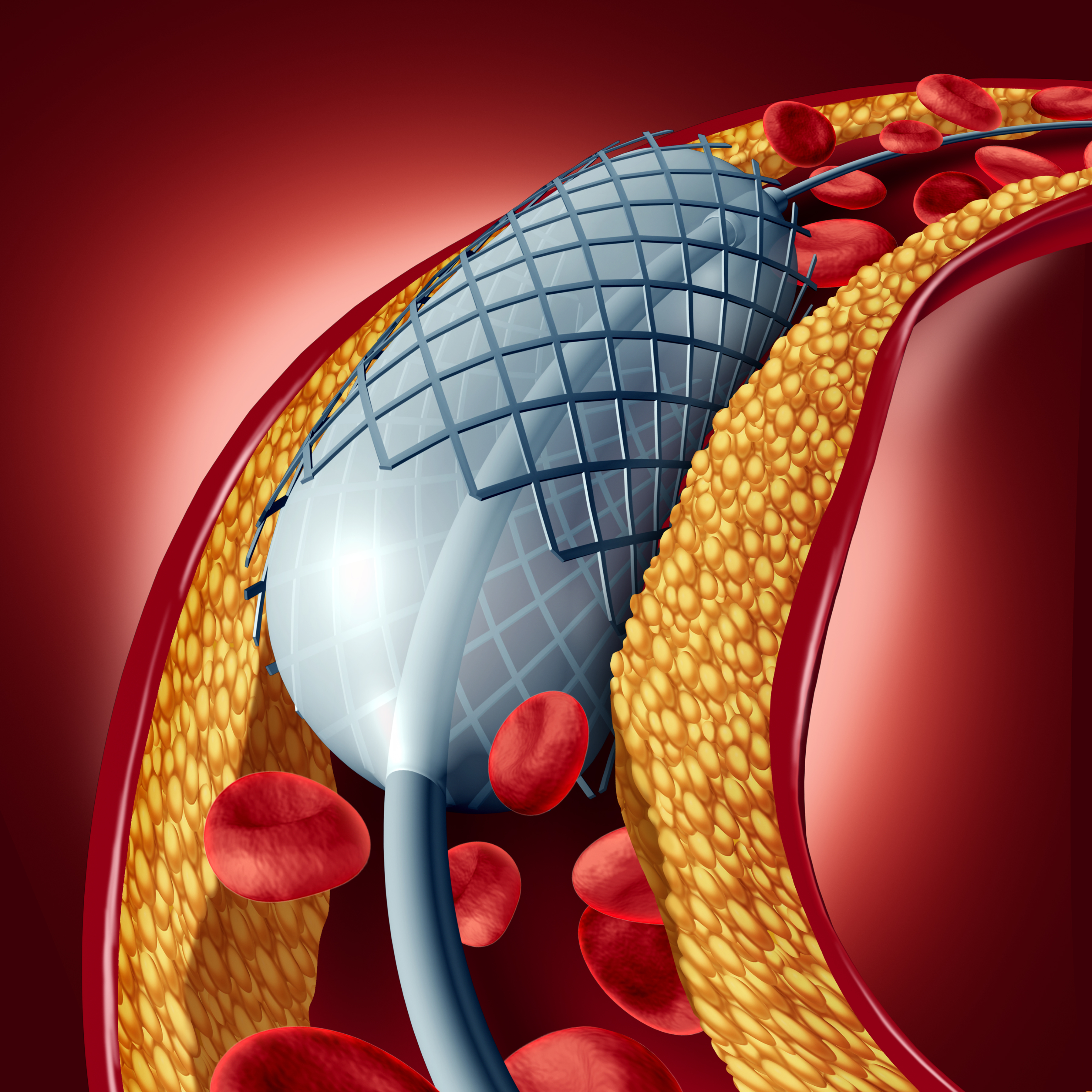
One-year outcomes of two RCTs of sirolimus-coated and paclitaxel-coated balloons in coronary in-stent restenosis lesions
Key Points: Patients undergoing PCI for in-stent restenosis (ISR) were treated with either SeQuent paclitaxel-coated balloons (the current standard of care) or SeQuent sirolimus-coated balloons. Only patients with stable angina,…

CardioMEMS helps decrease Heart Failure events in specific populations: GUIDE-HF substudy shows
Key Points: In this follow-up study to GUIDE-HF, HF patients with hemodynamic-guided therapy using a CardioMEMS device were compared to those with standard care. The primary outcome was a composite…

Less GI injury and bleeding after six months of SAPT compared to DAPT: OPT-PEACE
Key Points: In the OPT-PEACE trial, patients undergoing complete revascularization with current generation stents received 6 months of DAPT with aspirin and clopidogrel and were subsequently randomized to either a)…

SWISS-APERO: better rates of device-related leak with AMULET, but higher procedural complications when compared to WATCHMAN FLX.
Key Points To determine success of percutaneous left atrial appendage occlusion (LAAO), residual patency of the appendage is assessed at 45 days, either via transesophageal echocardiogram or cardiac CT-A. AMULET…

AMULET superior to WATCHMAN in peridevice leak at 12 months: clinical impact unknown
Key Points The AMULET Left Atrial Appendage Occluder was shown to be noninferior to the Watchman device for patients with atrial fibrillation; results of the AMULET-IDE trial were presented at…
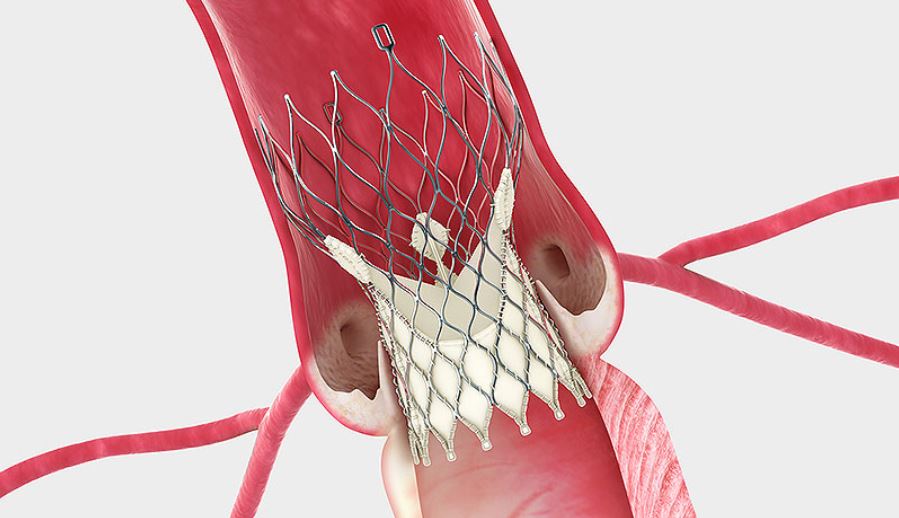
SURTAVI: self-expanding TAVR continues to perform against SAVR 5 years out
Key Points The SURTAVI trial randomized patients at intermediate risk for aortic valve replacement to receive either TAVR with and without PCI using a supra-annular self-expanding valve, to surgical AVR…

STOP-DAPT 2 Total Cohort Study: needle moving closer to one month DAPT strategy
Despite advances in therapy, the choice and duration of antiplatelet therapy following percutaneous coronary intervention (PCI) remains an area of active debate. While it has been postulated that long-term dual…
Left atrial appendage closure is noninferior to NOACs for atrial fibrillation: PRAGUE-17
Key Points: In the PRAGUE-17 study, patients with non-valvular atrial fibrillation were treated with either oral anticoagulants or left atrial appendage closure devices and followed over a median of 3.5…

Plug-based vascular closure device associated with more complications: CHOICE-CLOSURE
In patients with severe aortic stenosis (AS) undergoing transfemoral transcatheter aortic valve implantation (TAVI), periprocedural vascular complications are common and contribute significantly to the overall morbidity and mortality. These vascular…
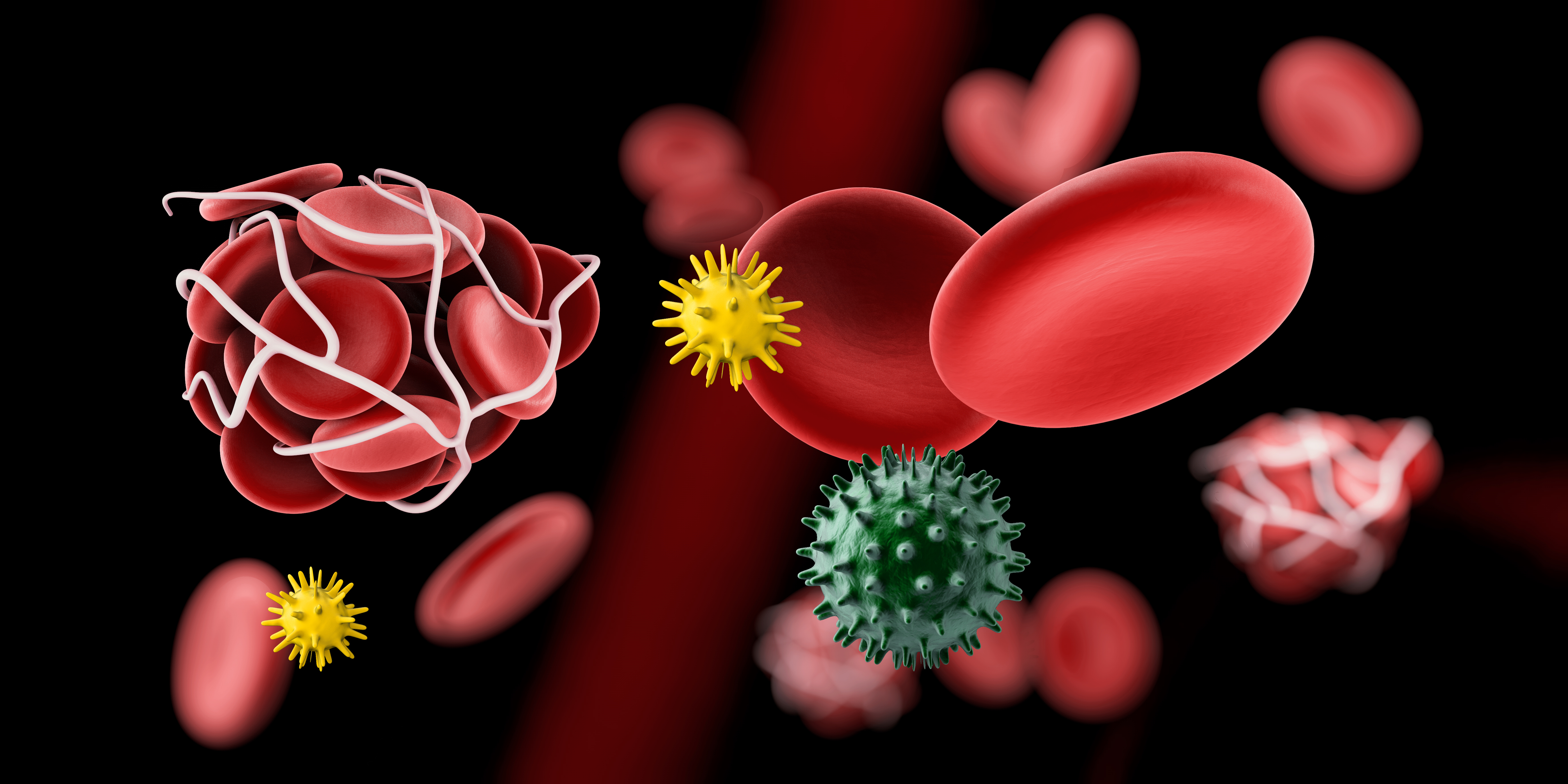
Abbreviated DAPT can be safe for patients with high bleeding and ischemic risk: MASTER-DAPT substudy
Key Points: In this pre-specified MASTER DAPT sub-study, patients with high bleeding risk and high ischemic risk (the latter of which was defined as those who have had a myocardial…
Sweet news for new stent: SUGAR trial finds polymer-free stent non-inferior to ZES in patients with diabetes.
Key Points: Patients with diabetes who undergo PCI are more likely to have target lesion failure and target vessel revascularization than their non-diabetic counterparts. The Cre8 EVO stent is polymer-free…

PCI guided by Quantitative Flow Reserve Superior to Standard Angiography: FAVOR III China
Key Points: Quantitative Flow Reserve (QFR) is a non-pressure wire method of assessing flow through the coronary arteries, using 3D reconstructions and computations from the angiogram. 3825 patients across several…