
It’s Time to Randomize: Smartphone-Based Screening for Atrial Fibrillation – The Siteless, Digital, Randomized eBRAVE-AF Trial
Key Points Wearable technologies based on photoplethysmographic measurements of irregular pulses can be ubiquitously distributed to perform opportunistic longitudinal monitoring of atrial fibrillation, the most common arrythmia worldwide, and potentially…

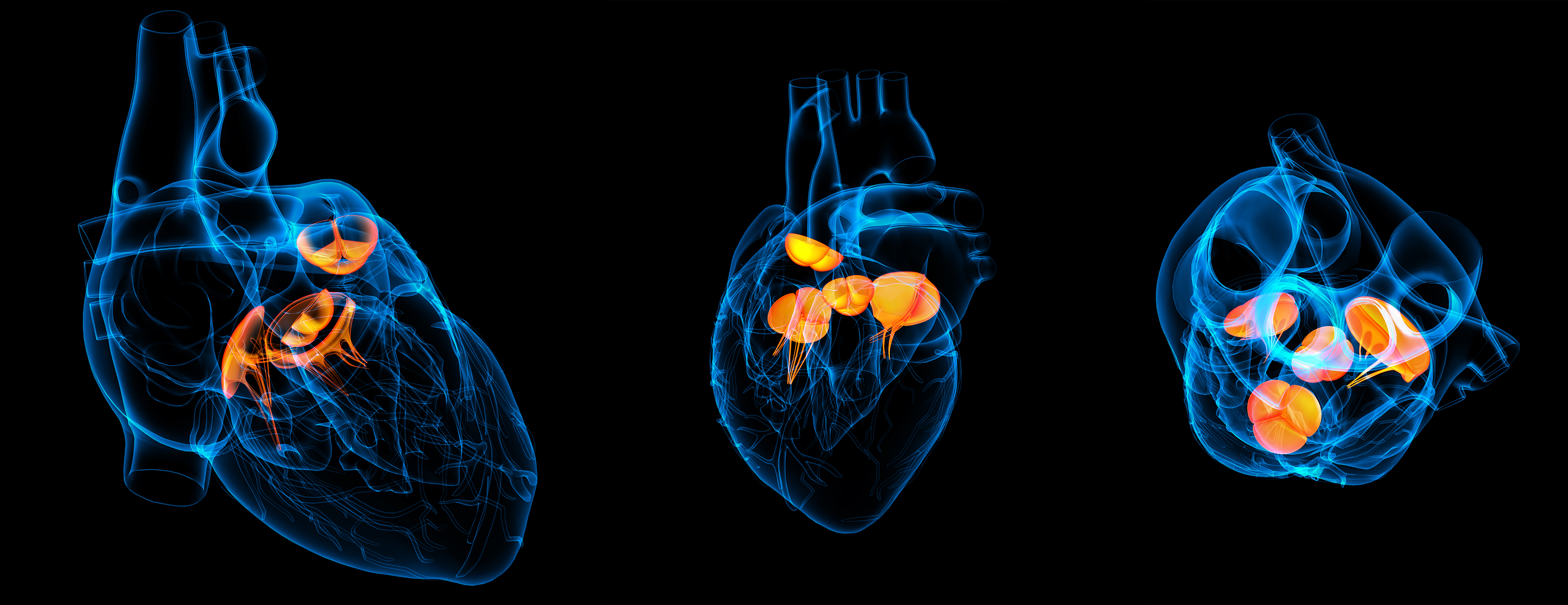
Artificial Intelligence can improve detection of severe aortic stenosis from echocardiograms: AI-ENHANCED AS shows.
Key Points Aortic stenosis, despite being life-threatening, is often underdiagnosed. It is understood that when the disease is diagnosed, it does remain undertreated as well. An artificial-intelligence algorithm was developed…
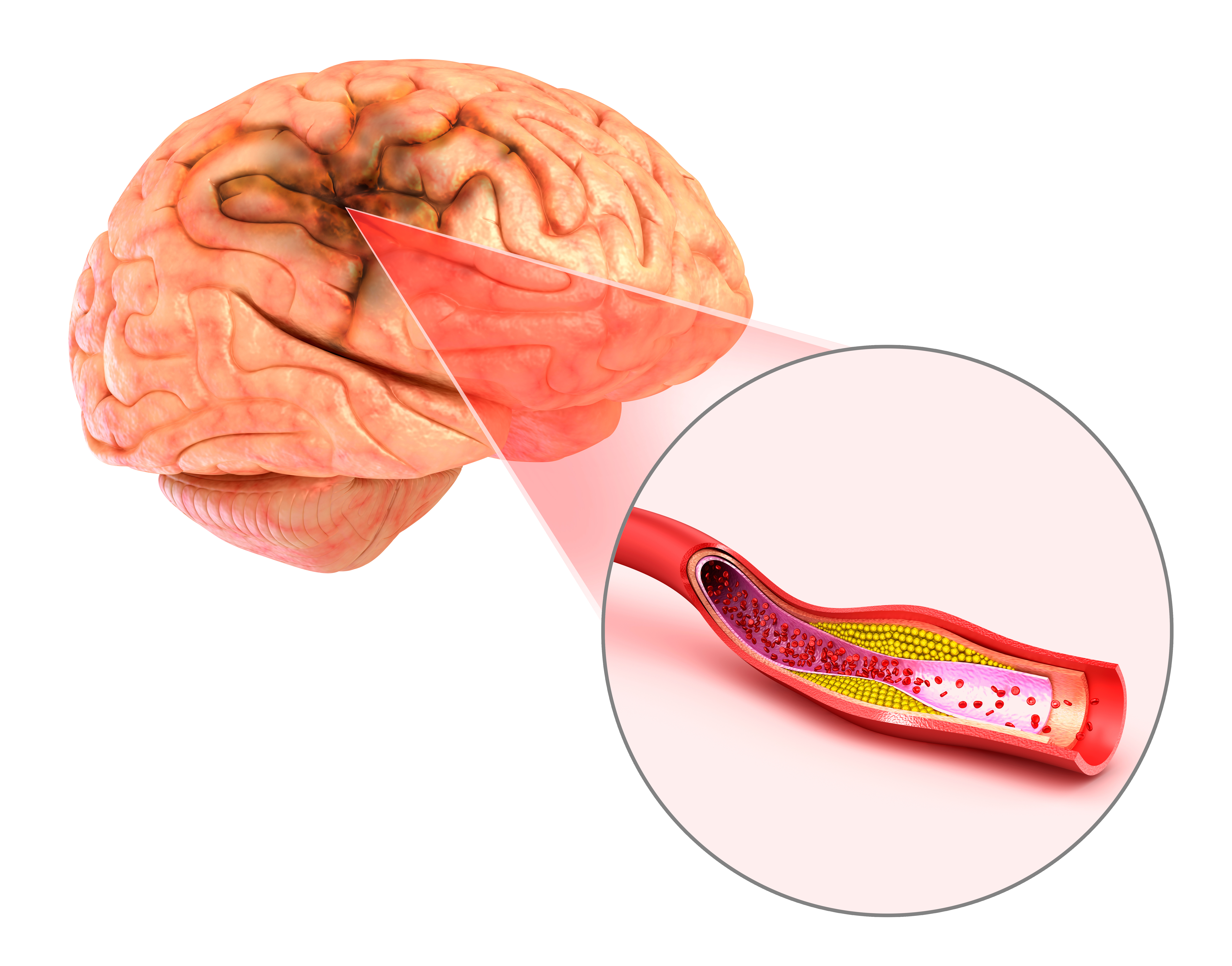
Uncoupling Hemostasis from Thrombosis: Adding Oral FXIa Inhibitor Milvexian to Antiplatelet Therapy After Acute Stroke: the AXIOMATIC-SSP trial.
Key Points Selective XIa inhibitor Milvexian may innovate the field of oral anticoagulation by uncoupling hemostasis from thrombosis and potentially providing protection from ischemic events with reduced bleeding risk among…
Uncoupling Hemostasis from Thrombosis: Adding Oral FXIa Inhibitor Asundexian to Antiplatelet Therapy After Acute Non-Cardioembolic Stroke – PACIFIC-STROKE
Key Points Selective XIa inhibitor Asundexian may innovate the field of oral anticoagulation by uncoupling hemostasis from thrombosis and potentially providing protection from thromboembolic events without increasing bleeding risk among…
An Answer at Last with INVICTUS: Patients with Rheumatic Heart Disease and Mitral Stenosis Should Remain on Warfarin, as Rivaroxaban Has a Higher Mortality Risk.
Key Points While DOACs have revolutionized the field of atrial fibrillation for patients with non-valvular disease, the equally important population of patients with valvular atrial fibrillation has traditionally been excluded…
Uncoupling Hemostasis from Thrombosis: Adding Oral FXIa Inhibitor Asundexian to DAPT After Acute Myocardial Infarction – PACIFIC-AMI.
Key Points Selective XIa inhibitor Asundexian may innovate the field of oral anticoagulation by uncoupling hemostasis from thrombosis and potentially providing protection from ischemic events without increasing bleeding risk among…

AI outperforms humans in LVEF assessments: EchoNet-RCT
Despite major advances in the implementation of artificial intelligence (AI) in Cardiology, from both a clinical and research perspective, no clinical trials to data have proven its benefit or efficacy…
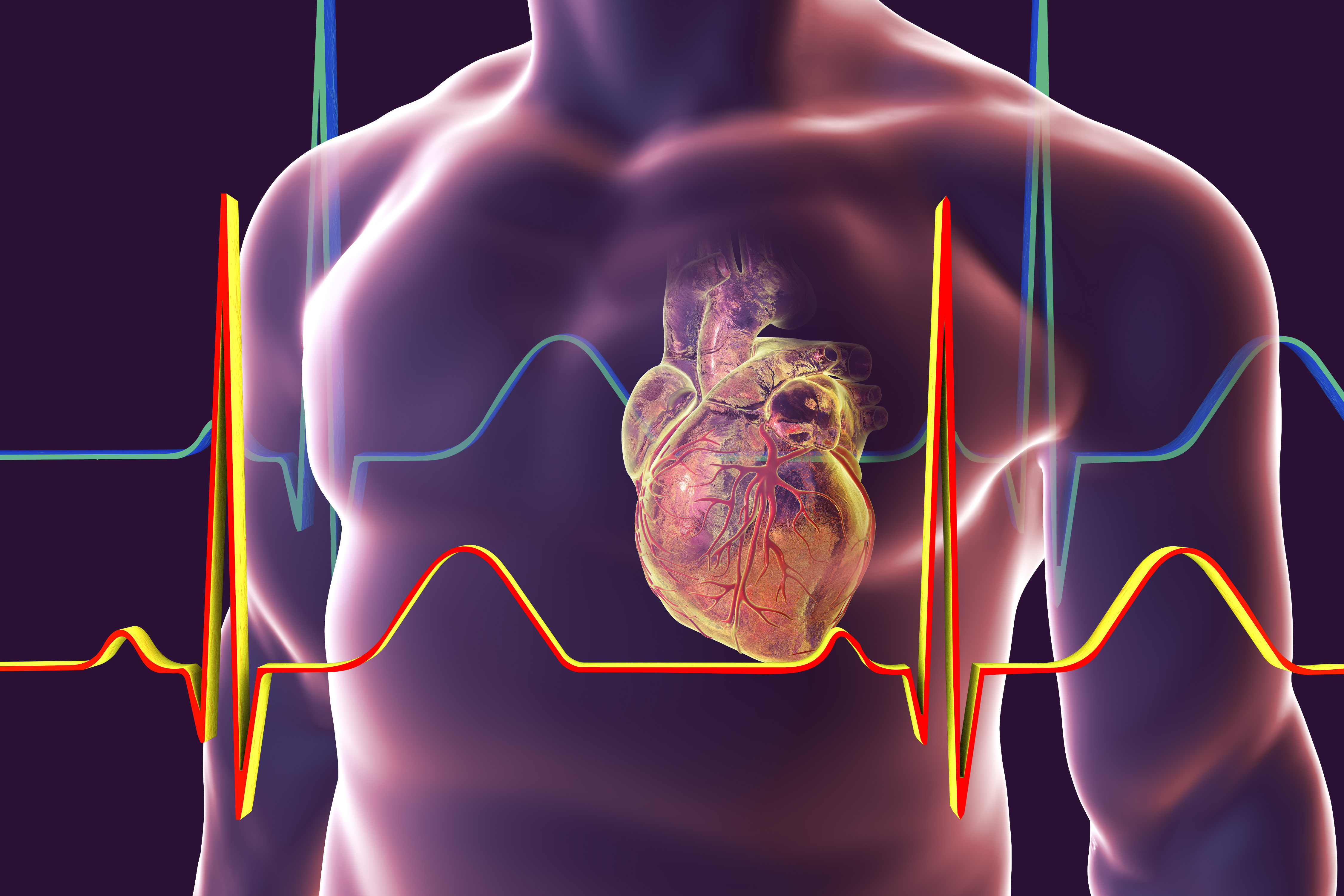
Acetazolamide results in improved decongestion, faster: results from ADVOR
Key Points: Residual decongestion after a hospitalization for acute decompensated heart failure is associated with poor outcomes. In this double-blinded, placebo-controlled study, patients admitted to the hospital with heart failure…
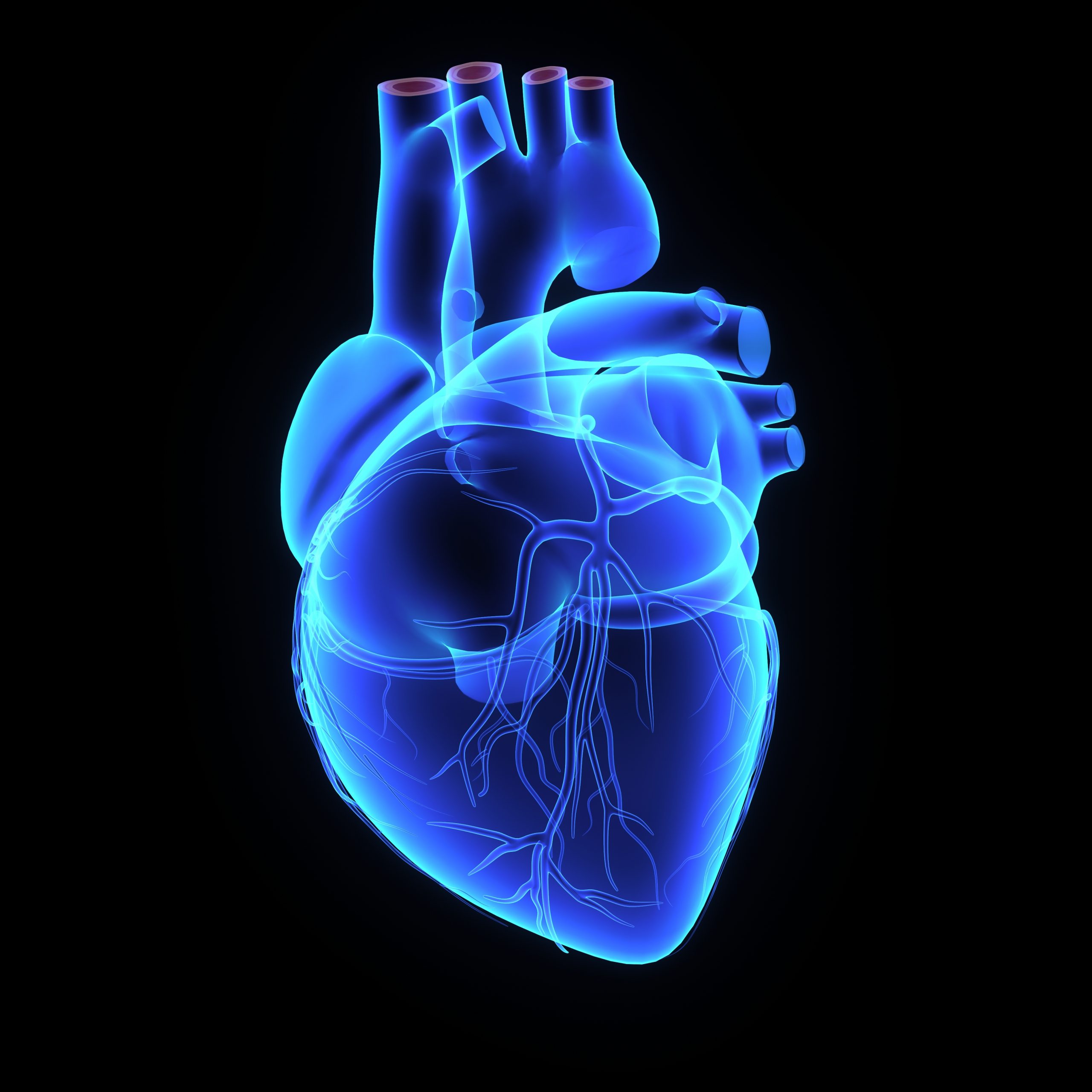
More Evidence For the Newest Guideline Directed Medical Therapy Pillar – Dapagliflozin in Heart Failure with Mildly Reduced or Preserved Ejection Fraction (The DELIVER Trial)
Key Points: The use of sodium-glucose cotransporter-2 inhibitor (SGLT2i) in heart failure with preserved ejection fraction (HFpEF) has been previously established, but evidence in patients who are peri-hospitalization and with…

No improvement with allopurinol for patients with ischemic heart disease: ALL-HEART
Key Points Allopurinol had previously shown an improvement in exercise time and qualitative chest pain assessment in patients with ischemic heart disease. ALL-HEART randomized over 5,700 patients without gout to…
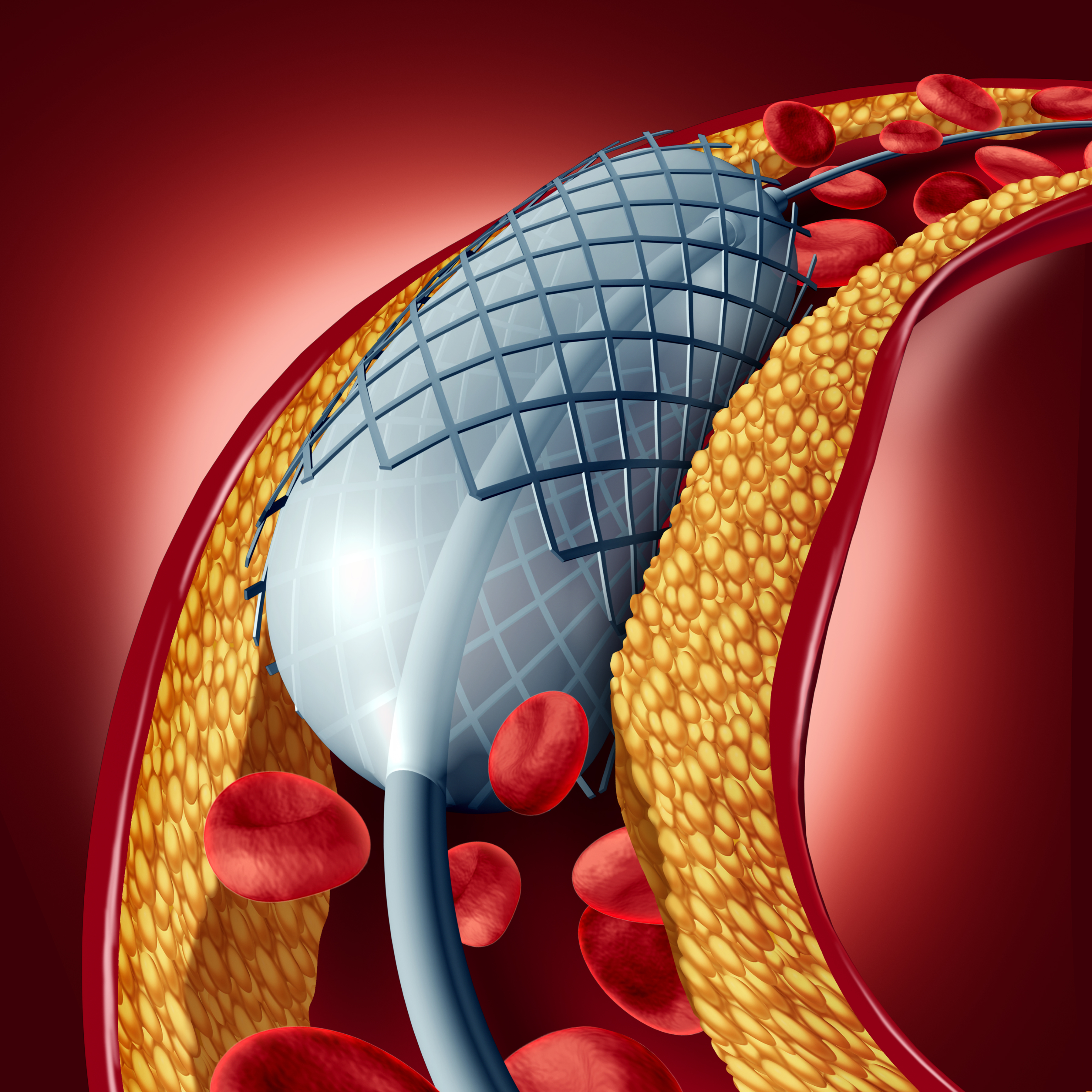
Routine PCI confers no added benefit in severe left ventricular dysfunction: REVIVED
Key Points REVIVED is the first large scale clinical trial to assess the effect of routine PCI in patients with severe left ventricular dysfunction, when compared to optimal medical therapy…

Sacubitril/Valsartan has no significant effect on cognition: PERSPECTIVE
Key Points There has been a theoretical concern of potential increased amyloid deposition via neprilysin inhibition in patients using sacubitril/valsartan. In the PERSPECTIVE study, patients with HFpEF and HFmrEF were…

Treatment with sodium thiosulfate showed no effect on infarct size in STEMI: GIPS IV
Key Points: In the GIPS-IV study, patients with STEMI were randomized to either receiving sodium thiosulfate (STS), an emerging therapy targeting infarct size, or placebo. The outcomes of interest included…

Residual inflammation plays important role in risk of MACE for patients already on lipid-lowering medication: CANTOS Substudy
Key Points: In the original CANTOS, patients with stable CAD post-MI with elevated CRP were randomized to either canakinumab or placebo. In this secondary analysis, , the relative contributions of…
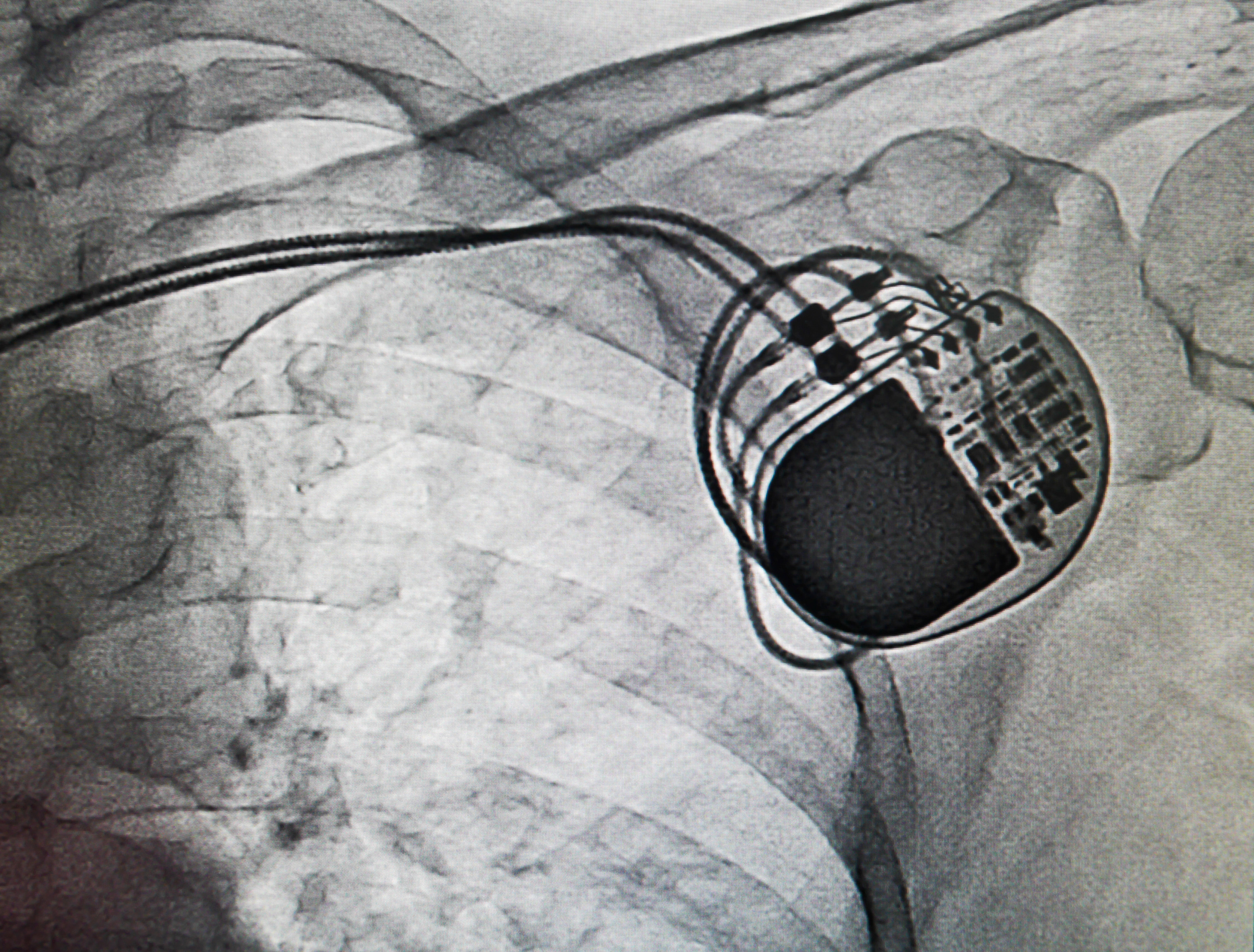
Alarmingly Low Rates of Extraction for CIED Infection Despite National and International Recommendations: a Nationwide Observational Study among Over 10,000 Medicare Patients
Key Points Prompt and complete removal of CIED systems is strongly recommended by all major professional societies, however only 1 in 5 patients with CIED infection undergo prompt extraction (<6…
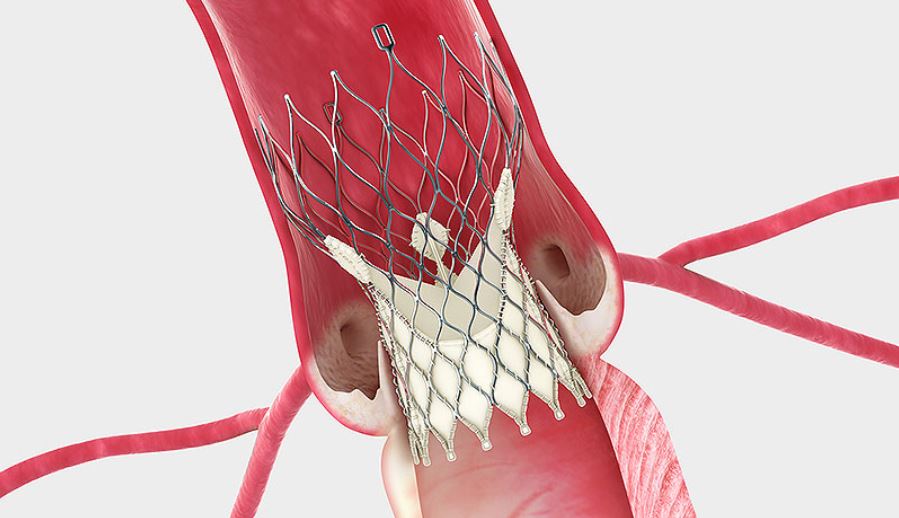
Less Structural Valve Deterioration at 5 years with TAVR: Insights from CoreValve/SURTAVI Trials
Key Points: As transcatheter aortic valve replacement (TAVR) has experienced expanded indications into patients with low and intermediate surgical risk, conversations about valve durability have become increasingly important. Analysis of…
CLASP-TR demonstrates significant improvement in tricuspid regurgitation up to one year after procedure.
Key Points Tricuspid regurgitation is a debilitating valve disorder characterized by shortness of breath, fatigue, and recurrent hospitalization for fluid retention. The PASCAL device (Edwards Life Sciences) is a transcatheter…
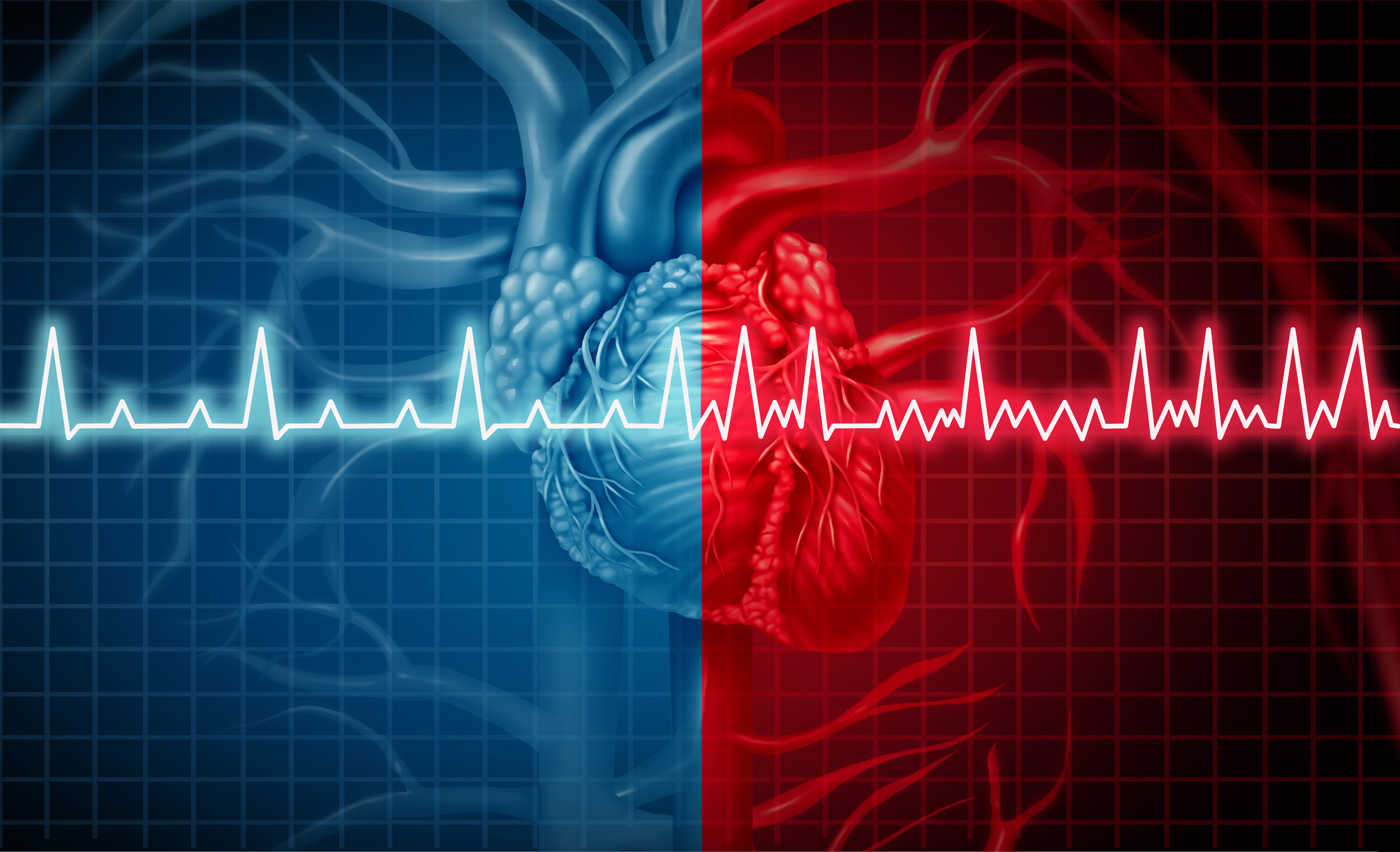
The PARTITA Trial: VT Ablation After the First Episode of VT Treated with Shock is Superior to Conservative Treatment Among Patients with Ischemic and Non-Ischemic Cardiomyopathy.
Key Points While VT ablation has been associated with improved survival, the most ideal time to undergo VT ablation remains undefined. PARTITA was the first clinical trial to randomize patients…
Patirometer allows for maintenance of target doses of GDMT in patients with hyerkalemia: DIAMOND trial
Key Points Optimal medical therapy for patients with Heart Failure with Reduced Ejection Fraction (HFrEF) compromises of renin-angiotensin-aldosterone-system inhibitors that often cause hyperkalemia. If hyperkalemia cannot be mitigated with alternative…
Uncoupling Hemostasis from Thrombosis: A Promising Comparison of Oral FXIa Inhibitor Asundexian Versus Apixaban in Patients with Atrial Fibrillation – But More Data Are Needed.
Key Points Selective XIa inhibitor Asundexian may innovate the field of oral anticoagulation by finally uncoupling hemostasis from thrombosis and potentially allowing similar protection from thromboembolic events without increasing bleeding…