

PROMINENT: Pemafibrate reduces triglyceride levels but not cardiovascular events in patients with dyslipidemia and T2DM
Key Points High triglyceride levels are associated with increased cardiovascular risk, but whether reductions in these levels would reduce the incidence of cardiovascular events is not clear. In the PROMINENT…


Does Loop Diuretic Type Affect Clinical Outcomes in Heart Failure? Furosemide vs. Torsemide Compared in the TRANSFORM-HF Trial
Key points: Loop diuretics are routinely used to manage congestion in heart failure (HF) but have never been directly compared in a large-scale randomized trial. The TRANSFORM-HF trial compared torsemide…

RIVARAD: Post-Procedural Rivaroxaban Use After Radial Access for Coronary Procedures Reduces Radial Artery Occlusion at 30 Days
Key Points: Radial artery occlusion (RAO) is the most common complication after radial access for coronary procedures; while routine intra-procedural heparin administration is a protective factor, the role of post-procedural…

EPIC-STEMI: Early Routine PCSK-9 Use Added to High Intensity Statin Reduces LDL after Primary PCI for STEMI
Key Points: Early high-intensity statin therapy is standard of practice in acute STEMI patients, but this is often insufficient to achieve LDL targets. PCSK-9 therapy has never been tested as…

Extended outcomes of BEST: No difference in MACE between PCI and CABG in MVD at 12 years, but higher repeat revascularization and spontaneous MI in PCI arm
Key Points: Previous studies have demonstrated the superiority of CABG over PCI in the treatment of multivessel disease; however, most studies were performed without the use of newer second-generation stents.…

FLASH: The FlowTriever system has an excellent safety profile in the treatment of pulmonary embolism
Key Points: Mortality for acute PE remains high. While percutaneous mechanical thrombectomy has been used in patients with hemodynamic instability, safety and effectiveness data from large clinical trials are needed.…

UNIVERSAL: Routine ultrasound guidance of femoral vascular access did not reduce bleeding or vascular complications but did facilitate access
Key Points: Femoral access is used for 30% of all coronary procedures, and femoral access site complication can be catastrophic. Since the development of ultrasound-guided vascular access, many institutions have…

PADN-CFDA: Pulmonary artery denervation in addition to PDE-5i therapy improves exercise capacity in patients with pulmonary arterial hypertension
Key Points: Pulmonary artery denervation (PADN) has never been studied with a randomized trial in the treatment of pulmonary arterial hypertension (PAH). The PADN-CFDA study was a sham-control randomized trial…

RADIANCE II: Endovascular ultrasound denervation met primary/secondary efficacy BP lowering endpoints at 2 months
Key Points: Endovascular ultrasound denervation (uRDN) is a potentially useful technique in the management of hypertension; however, its effect in patients with mild to moderate HTN has not been well…

Amulet IDE: Continued safety and effectiveness of the Amulet LAA occluder device at three years in patients with nonvalvular atrial fibrillation
Key Points: In 2021, the Amulet IDE study demonstrated that the novel Amulet left atrial appendage occluder device was noninferior to the standard Watchman device for stroke prevention in patients…

CLASP IID: The PASCAL system is a safe and beneficial therapy for severe degenerative mitral regurgitation
Key Points: The MitraClip system has been established as a robust platform for transcatheter repair of both degenerative and functional mitral regurgitation. However, it has not been compared against more…

PROTECTED TAVR: No Overall Stroke Reduction With Embolic Protection Devices in TAVR, But Fewer Disabling Strokes
Key Points: Stroke is a feared complication of TAVR. However, the potential impact of cerebral embolic protection (CEP) devices is unclear. The PROTECTED TAVR study was a post-market RCT to…

Reported muscle pain and weakness often not due to statin therapy: meta-analysis shows.
Key Points Statin therapy is in wide use globally to prevent cardiovascular events in patients with elevated cholesterol levels. Despite an abundance of data proving their effect, many patients exhibit…

Radial cath associated with fewer deaths and bleeding: RTC study
Key Points Transradial access has emerged as the preferred initial access method for coronary angiography, largely due to evidence supporting its association with reduced bleeding risk. However, the difference between…

Sacubitril/Valsartan “wins” against ramipril in post-hoc analysis of PARADISE-MI
Key Points The PARADISE-MI trial randomized patients to receive sacubitril/valsartan or ramipril after high-risk myocardial infarction. The initial results demonstrated no significant benefit of sacubitril/valsartan, however examination of adjudicated events…
PANTHER analysis suggests P2Y12 inhibitors safer, more effective than Aspirin, for secondary prevention
Key Points Antiplatelet therapy is a cornerstone of secondary prevention in patients with known CAD, but it is incompletely understood whether aspirin should be the preferred agent as compared to…

Full-dose anticoagulation prevents thrombotic events in COVID patients: COVID-PACT
Key Points Given the increased thrombotic risk in COVID patients, there has been substantial interest around the potential use of antithrombotic agents in the treatment of critically ill patients with…
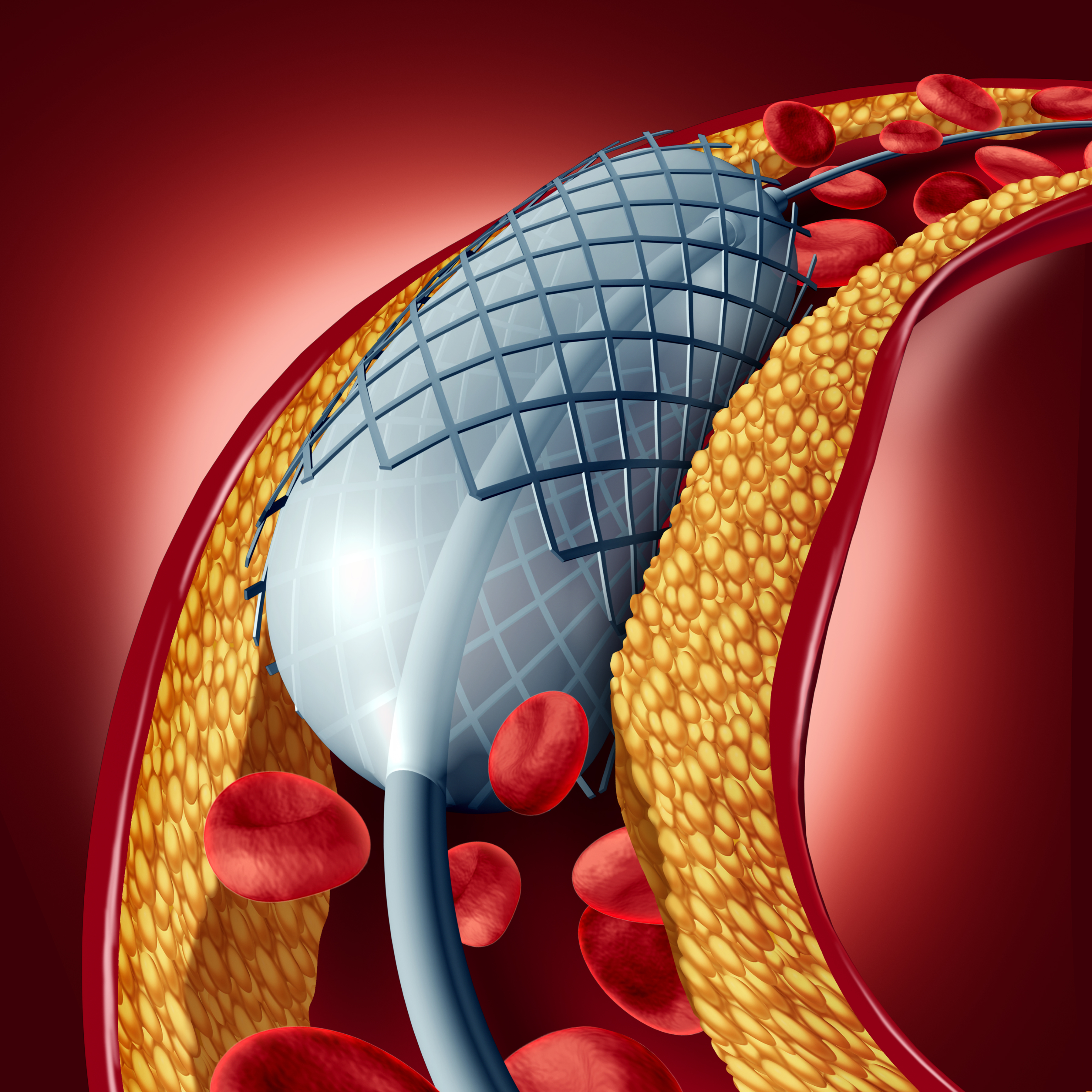
Abbreviated DAPT continues to prevail beyond one year: MASTER-DAPT subanalysis shows
Key Points: In this pre-specified MASTER DAPT sub-study, patients with high bleeding risk and high ischemic risk who were treated with PCI with an Ultimaster stent were randomized to either…
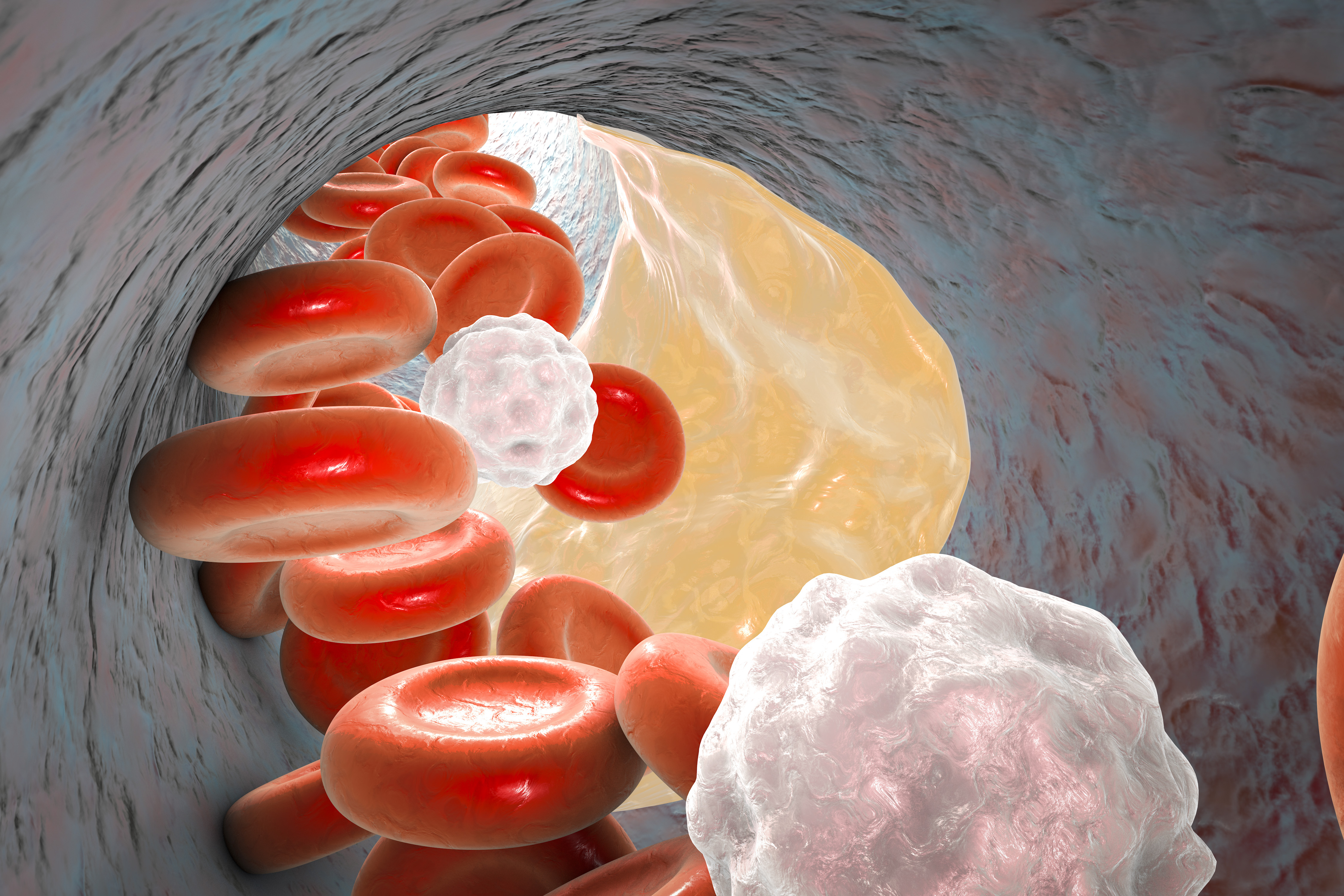
Coronary Artery Plaque Activity Predicts Recurrent Cardiac Events: results from the PRE-18FFR Trial
Key Points Understanding the future risk of myocardial infarction and death for patients with established coronary artery disease is a cornerstone of modern cardiology. The PRE18FFIR study attempted to pool…

When and How Much Should We lower LDL and Systolic Blood Pressure in Our Patients? Artificial Intelligence and Causal Effects May Provide Answers
Key Points: • Current risk estimating algorithms exclude causal effects and therefore do not accurately estimate baseline cardiovascular risk caused by LDL and systolic blood pressure (SBP) • Using artificial…