

Angiographic Completeness Not Associated With Outcomes Following FFR-guided PCI
Researchers have confirmed that the extent of residual angiographic disease calculated using the residual SYNTAX score (Synergy Between Percutaneous Coronary Intervention With Taxus and Cardiac Surgery) or RSS has no…

Vascular Video Series Part 2: Underlying Risks of Vascular Disease
This video is supported by an unrestricted educational grant.
Vascular Video Series Part 1: Clinical Manifestations of Atherosclerosis
This video is supported by an unrestricted educational grant.

UK based RCT Emphasizes on Long Term Cardiovascular Benefits of Antihypertensives and Statins
The Anglo-Scandinavian Cardiac Outcomes Trial (ASCOT) Legacy Study is a UK based trial that reports long-term beneficial effects of antihypertensives and statins in terms of mortality and cardiovascular outcomes after…
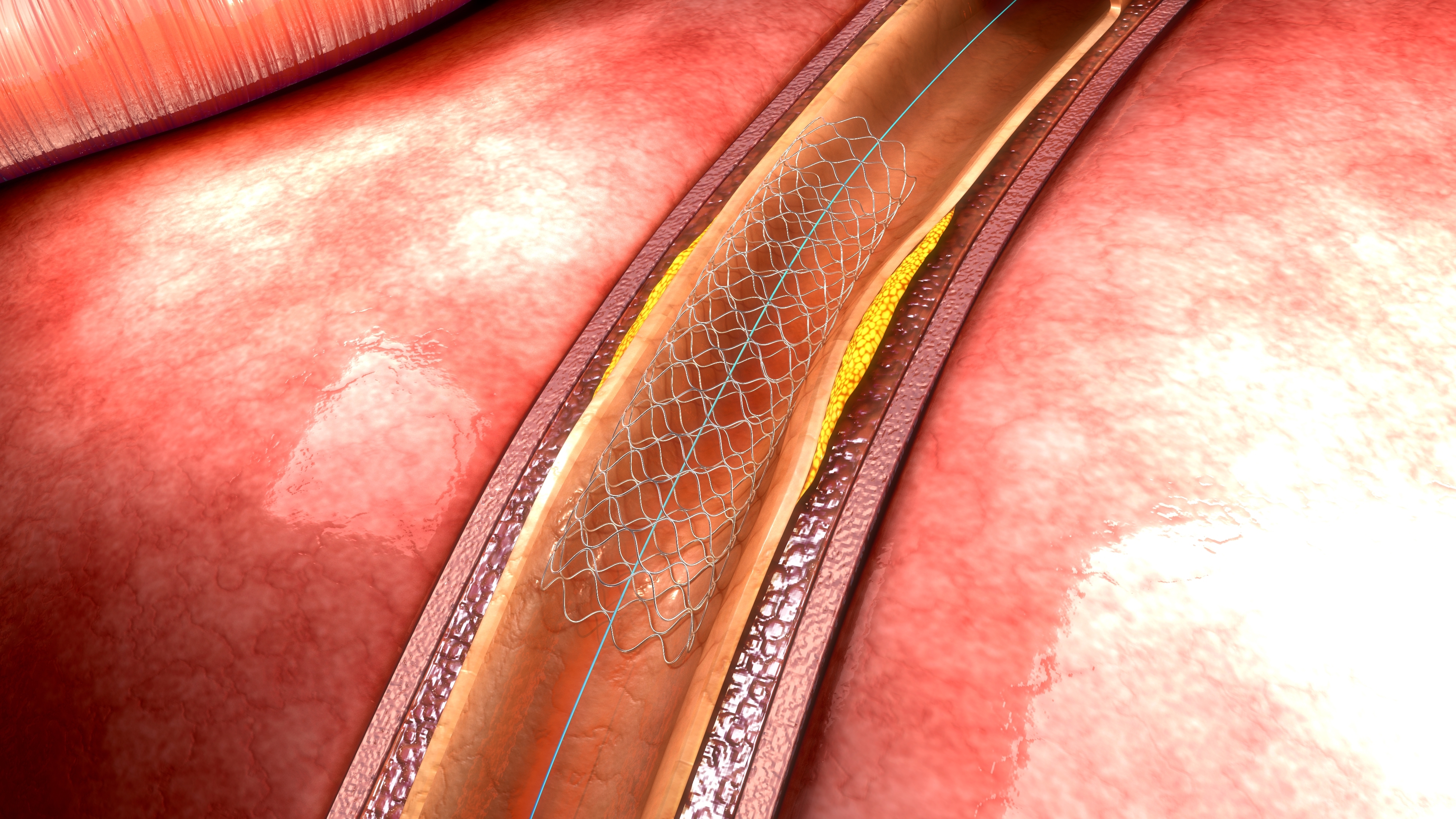
Biodegradable Polymer Sirolimus- Eluting Stent Proven Non-Inferior to Durable-Polymer, Everolimus-Eluting Stent
Results of the BIOSCIENCE study that were presented at the ESC Annual Congress by Dr. Thomas Pilgrim, University Clinic for Cardiology, Bern, Switzerland, show that the 5-year risk of target…
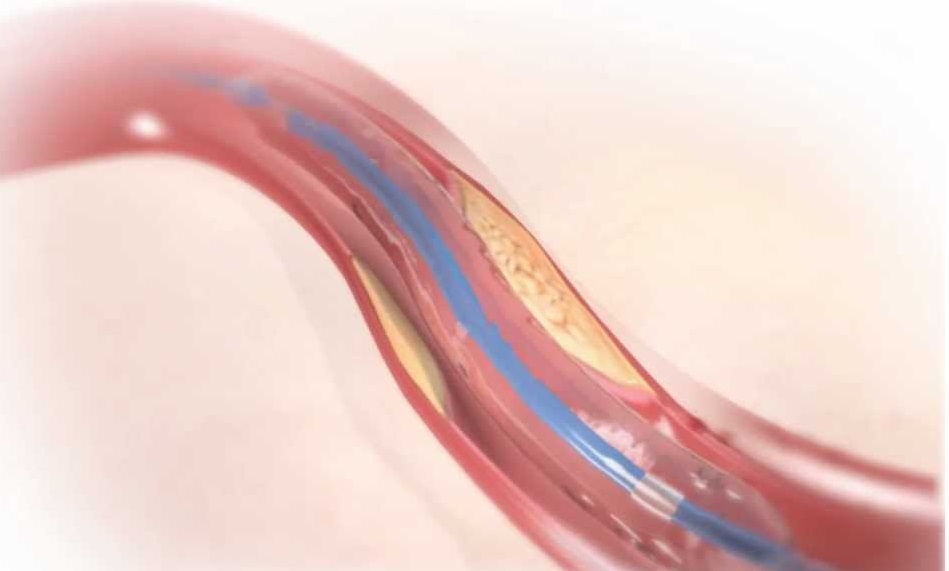
Treating the culprit lesion associated with decreased mortality versus immediate multi-vessel PCI in cardiogenic shock
In a randomized multi-center clinical trial that enrolled more than 700 patients with multi-vessel coronary artery disease and acute myocardial infarction (MI) with cardiogenic shock, it was shown that percutaneous…
Coronary Microvascular Dysfunction: A Promising Therapeutic Target in Heart Failure with Preserved EF?
PROMIS-HFpEF (PRevalence Of MIcrovascular dySfunction in Heart Failure with Preserved Ejection Fraction) is an echocardiographic trial showcasing a high prevalence of coronary microvascular dysfunction (CMD) in HFpEF and its association…

ESC at a Glance: The Trials Were Largely Negative, The Science Was Positive
The Canadian SCAD Study The Canadian SCAD study investigated the risk factors and outcomes of spontaneous coronary artery dissection (SCAD). This prospective observational study enrolled 750 non-atherosclerotic SCAD patients from…

Lorcaserin proven safe as weight loss agent in obese patients
The selective serotonin 2c receptor agonist, Lorcaserin has been proven to be effective in the promotion of sustained weight loss through appetite suppression in obese and overweight patients, with no…
Cancelled Cath Lab Activation Based on Prehospital EKG, A Single Center Study
A new single-center study has shown that the catheterization laboratory (CCL) activation in response to a prehospital ECG interpreted as ST-segment elevation myocardial infarction (STEMI) can be frequently canceled which…

Transcatheter Interatrial shunt device appears safe at 1 year for heart failure with preserved ejection fraction
The 1-year results of a phase 2, sham-controlled RCT have confirmed the safety of a transcatheter interatrial shunt device (IASD; Corvia Medical) with no significant cardiovascular or renal events as…

Omega-3 fatty acid Supplements Show No Benefit in Cardiovascular Prevention in Diabetes
A randomized trial in patients with diabetes without evidence of cardiovascular disease has shown there to be no significant difference in the risk of serious cardiovascular events in those administered…

Aspirin Vs Placebo In Cardiovascular Event Reduction In Diabetes
A randomized 15,480 patient strong UK based trial comparing Aspirin (ASA) versus placebo in diabetics has shown that the absolute reduction in cardiovascular events from aspirin is offset by a…

Antithrombotic therapy post TAVR: A double edged sword?
A multicenter, prospective nation-wide French registry evaluated whether oral anticoagulation therapy was an independent correlate of long-term survival and early bioprosthetic valve dysfunction (BVD) in patients who underwent successful Transcatheter…
Conservative Management Should be First Line Therapy for SCAD
Spontaneous coronary artery dissection (SCAD) is an underdiagnosed, poorly misunderstood condition. The predisposing causes and management of this condition are still unclear. To throw light on this, the CANADIAN SCAD…
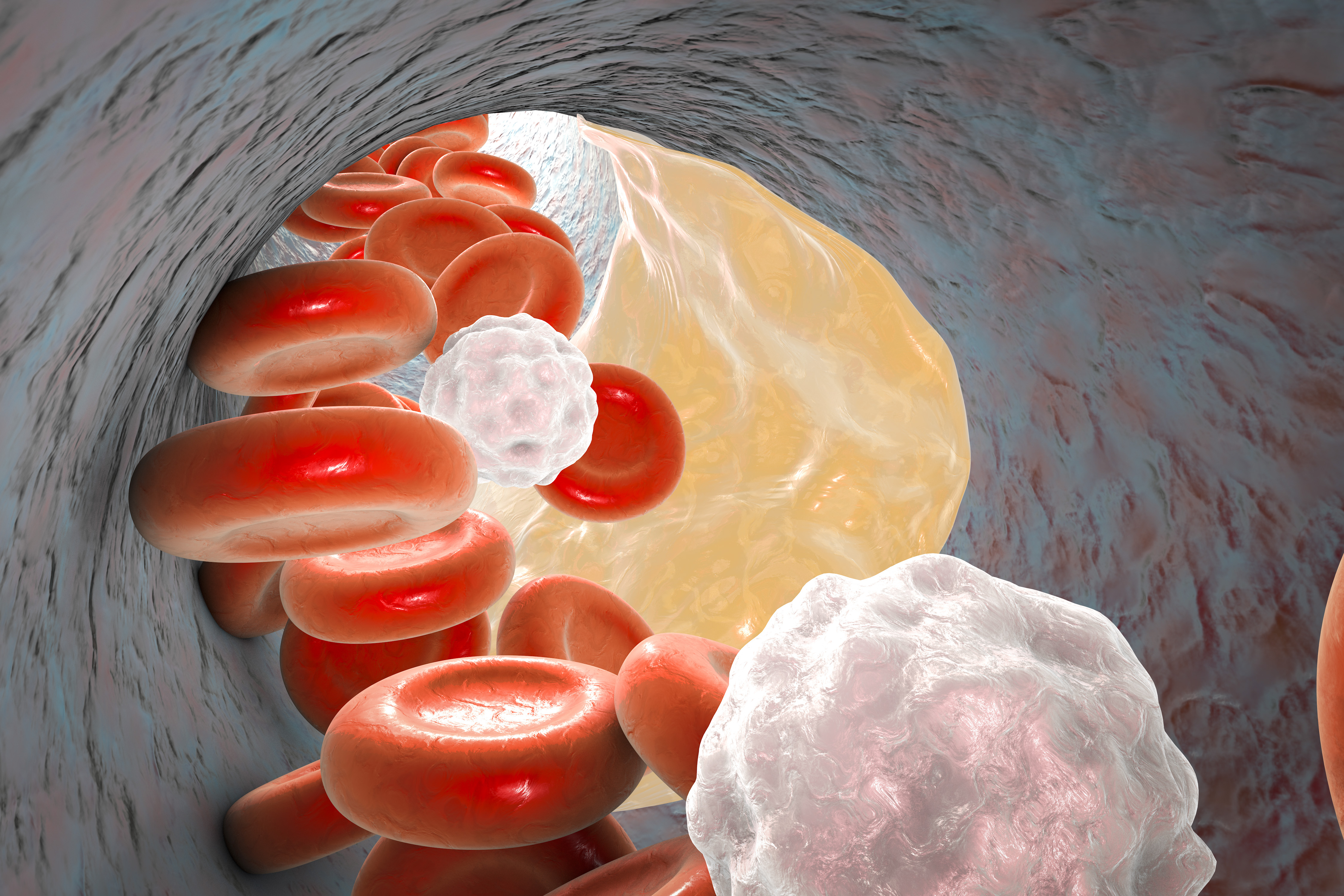
High LDL Levels Can Increase Cardiovascular Mortality Even in Low Risk Population
A recent study published in Circulation found that higher levels of low-density lipoprotein cholesterol (LDL-C) and non-high-density lipoprotein cholesterol (non-HDLC) increased the relative risk of long-term cardiovascular disease (CVD) mortality…
‘Lowest is best’ when it comes to blood LDL cholesterol levels
Hypercholesterolemia is a major modifiable risk factor for coronary heart disease (CHD). Studies have consistently shown that atherosclerotic cardiovascular disease (ASCVD) risk is correlated to the levels of low-density lipoproteins…