

TREAT Trial Addresses the Safety and Efficacy of Ticagrelor Use for STEMI Management in the Setting of Fibrinolytic Therapy
According to the results of the TREAT trial, among patients aged under 75 years with STEMI, administration of ticagrelor after fibrinolytic therapy did not significantly reduce the frequency of cardiovascular…


Total Event Analysis from REDUCE-IT Showcases a Substantial Reduction in the Burden of Ischemic Events, Experts Debate Possible Mechanisms of Action of Icosapent Ethyl
The total event analysis from the REDUCE-IT trial, presented at ACC 2019 showed that among statin-treated patients with elevated triglycerides and cardiovascular disease or diabetes, icosapent ethyl substantially reduced the burden…

AUGUSTUS: Less Bleeding and Fewer Hospitalizations Without Significant Differences in Ischemic Events With Apixaban and No Aspirin in Patients With AFib and ACS
ACC 2019: In patients with atrial fibrillation and a recent acute coronary syndrome or PCI treated with a P2Y12 inhibitor, an antithrombotic regimen that included apixaban, without aspirin, resulted in…
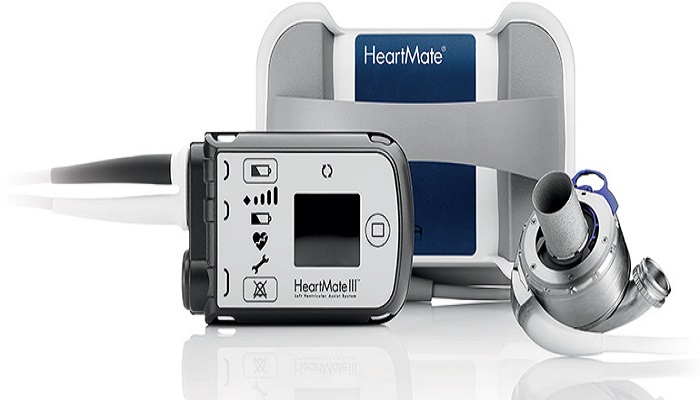
HeartMate3 Found to be More Superior Than Other LVADs on Endpoints of Stroke, Pump Thrombosis and Bleeding Complications
The largest LVAD trial ever to be performed, led by Dr. Mandeep Mehra published the final analysis of a fully magnetically levitated left ventricular assist device in the New England…

COAPT Analysis Affirms Quality of Life Advantage of MitraClip for Secondary MR
NEW ORLEANS -- Transcatheter repair of functional mitral regurgitation (or secondary MR) with MitraClip improved quality of life and hemodynamics better than optimal medical therapy alone, COAPT trial analyses showed.…
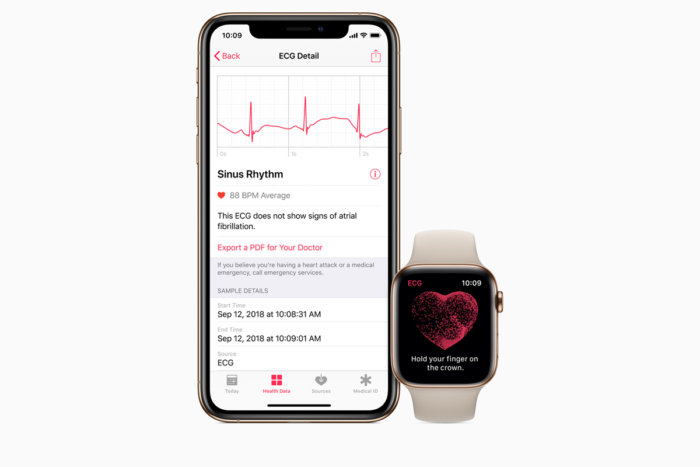
HEARTLINE: A 180,000 Patient-Strong, Pragmatic, Real World Randomized Trial Assesses the Prowess of Apple Technology in Afib Diagnosis and Improvement of Hard Outcomes
The design of the HEARTLINE randomized trial of up to 180,000 pts for assessing the efficacy of the Apple Watch & educational initiatives to reduce a composite outcome of death,…

Findings From a Randomized Controlled Trial May Usher the Adoption of Angiotensin–Neprilysin Inhibition to the Heart-Failure Armamentarium
The results of a trial presented by Dr. Adam DeVore at the American College of Cardiology Annual Scientific Session (ACC 2019), New Orleans, LA, reflected that among patients with heart…

Study Depicts Strong Associations Between Social Factors and Mortality Risk Following Coronary Artery Bypass Grafting
According to an observational study posted in the Journal of American Heart Association, there were strong associations between social factors and mortality risk after CABG in both men and women.…
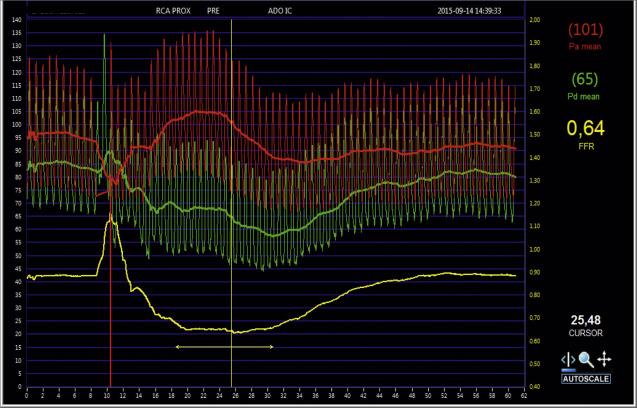
Is the Improvement in Fractional Flow Reserve After Percutaneous Coronary Intervention (ΔFFR) Associated With Clinical Outcome and Symptomatic Relief?
In an analysis of two randomized clinical trials published in JAMA cardiology, Fournier et al. reported that the larger the improvement in FFR, the larger the symptomatic relief and the…

ALERTS: Use of an Implanted Electrocardiographic Monitoring Device in High-Risk Patients Aids in the Early Detection of ACS
According to a randomized controlled trial led by Dr. Michael Gibson, PERFUSE Study Group, Beth Israel Deaconess Medical Center, Boston, Massachusetts, the implantable cardiac system was found to detect early ST-segment…

U.S. Food and Drug Administration (FDA) Continues To Investigate Recall of Contaminated Blood Pressure Medication
The US food and drug Administration (FDA) has recently been conducting an investigation on voluntary recalls of multiple generic angiotensin II receptor blocker (ARB) drug products used to treat high…

DECISION-CTO Demonstrates No Significant Difference in Death, MI, Stroke, or Any Revascularization with CTO PCI vs. No CTO PCI
The results of the DECISION-CTO trial conducted by Lee et al. showcased that CTO-PCI was feasible with high success rates. In addition to this, there was no difference in the…
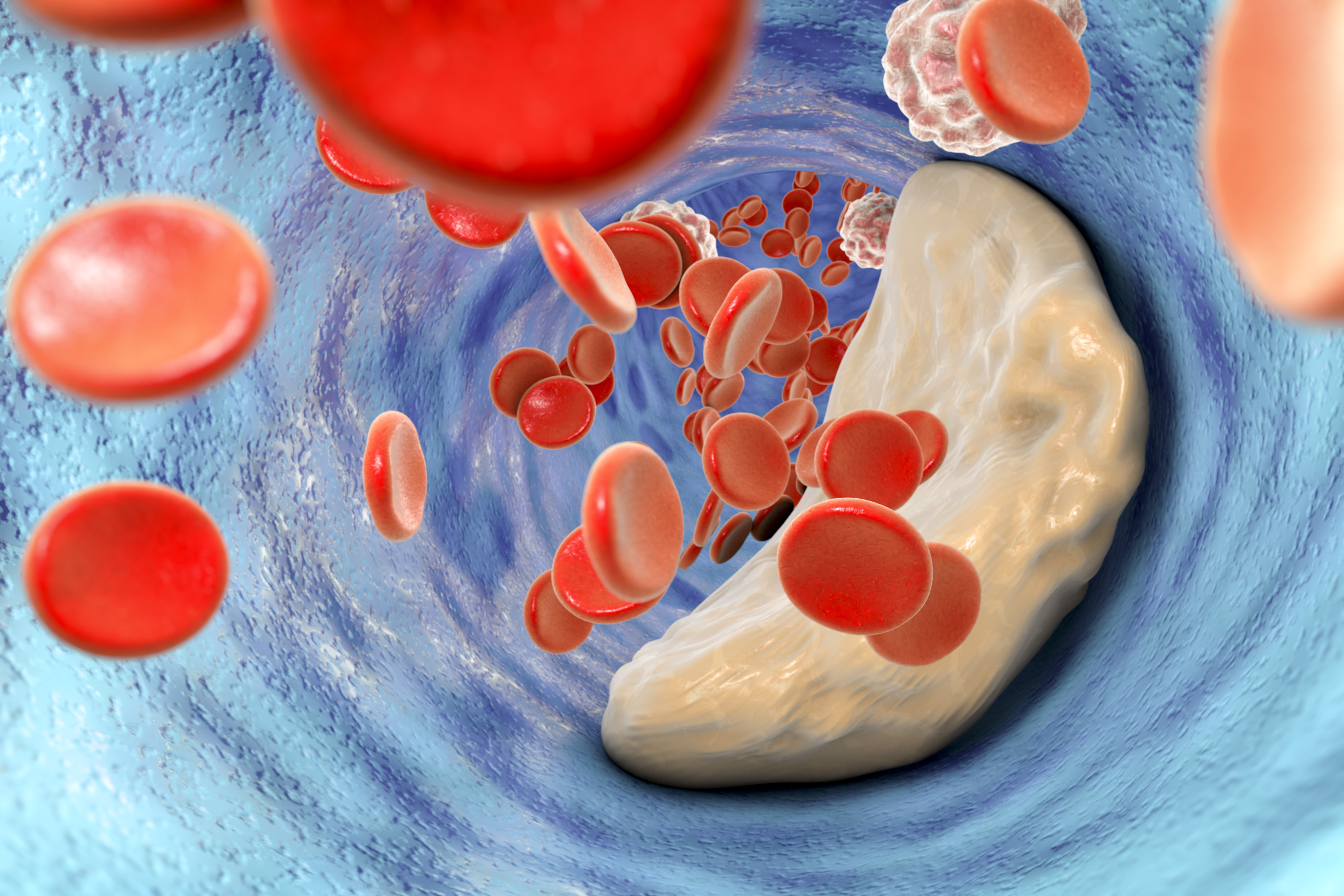
Anti-Inflammatory Therapy May Not Prevent Atherosclerotic Events
A randomized double-blinded trial called Cardiovascular Inflammation Reduction Trial (CIRT) recently published in the New England Journal of Medicine by Ridker, M.D. and his colleges at the Center for Cardiovascular…

Nationwide Comparison of Oral Anticoagulants in Nonvalvular Atrial Fibrillation Patients of Low Body Weight
The first nationwide comparison of the effectiveness and safety of warfarin and direct oral anticoagulants (DOACs) in a large atrial fibrillation (AF) cohort with data on low body weight (LBW)…

Coronary CTA Provides an Unrivaled Opportunity for More Detailed Analysis in Selected Patients, According to a Study
According to a recent publication in the Journal of the American College of Cardiology, in diabetic patients presenting with stable chest pain, a computed tomographic angiography (CTA) strategy resulted in…

AVERT: Apixaban for the Prevention of Venous Thromboembolism in High-Risk Ambulatory Cancer Patients
A study by Marc Carrier and his colleagues published in the New England Journal of Medicine concluded that apixaban therapy resulted in a significantly lower rate of venous thromboembolism as…

Early and Late Leaflet Thrombosis Following TAVR
A real-world multicenter study by Yanagisawa and his colleagues published in Circulation: Cardiovascular Interventions reported that untreated early leaflet thrombosis did not affect the cumulative event rates of death, stroke,…

Statin vs Healthy Adherer Effect On Mortality in ASCVD
In a vigorous retrospective cohort study published in JAMA, Fatima Rodriguez et al. found an inverse graded association between long-term statin adherence and all-cause mortality using a nationwide sample of…

Impaired Microvascular Function Predicts Adverse Cardiovascular Outcomes in Women with Signs and Symptoms of Ischemia: Understanding the ‘Feminine Face’ of Ischemic Heart Disease
Investigators Ahmed Al Badri and C. Noel Bairey Merz from the Cedars Sinai Smidt Heart Institute, in Los Angeles, California recently reported that on longer-term follow-up in women, impaired microvascular function…

Statins Shown to Reduce Major Adverse Cardiovascular Events in Patients Older Than Seventy Five Years
HMG-CoA reductase inhibitors or as they are commonly known as statins have been postulated to produce significant reductions in major vascular events irrespective of age, but their efficacy and benefit…